 01
Collection leadCollection
Source, consent and distribution checked against the quota sheet.
+180files set aside — no consent record or outside the quota
Quota met 100%Raw data planned for your model, collected in the field and cleaned before anyone labels it.
Every file has a scenario, a device and a place in the quota before it is captured.
Scenarios, target distribution (time of day, weather, region, age band) and device specs agreed before the first capture.
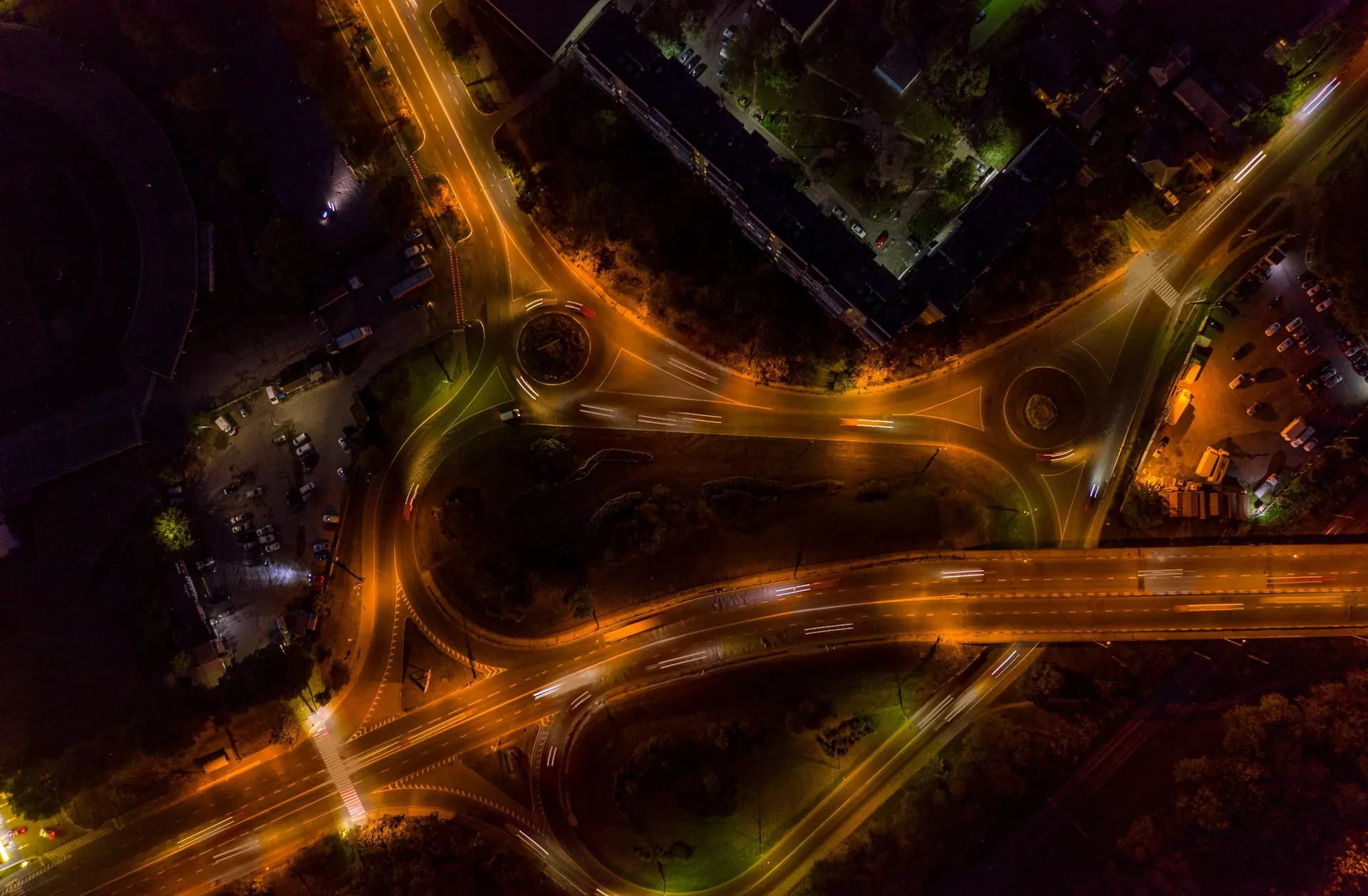
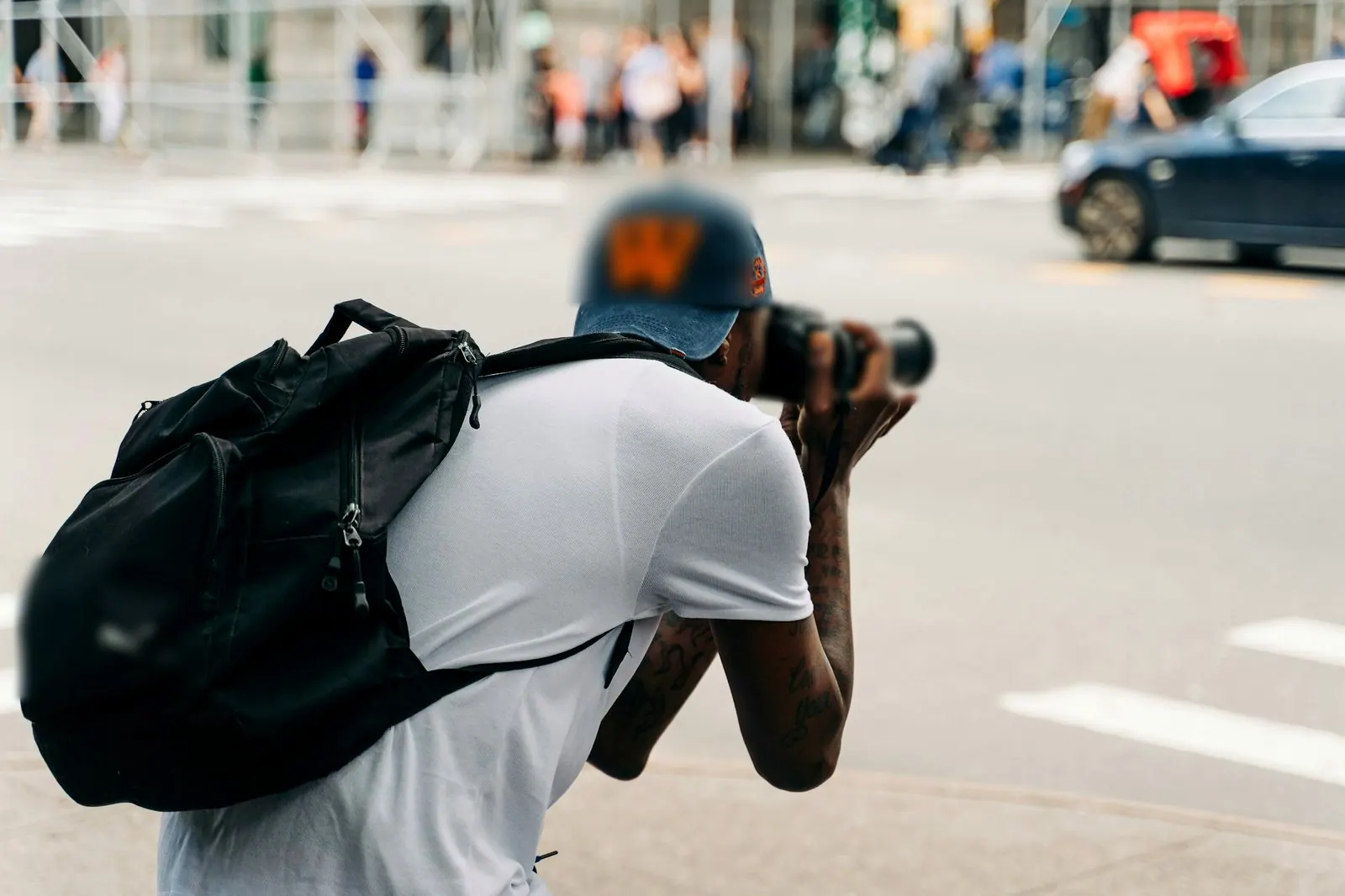
Photo, video, audio and driving data captured by field crews and a vetted crowd across Vietnam, with a log for every file.
Duplicates and near-duplicates removed, blurred, dark or corrupted files filtered, formats unified and metadata attached.
Faces, licence plates and personal details masked before files reach the labeling team.
Pick a type to see every method on its own sheet — what goes in, what comes out.
A dedicated OQC team inspects in five stages; pass lines are numbers, not promises.
01Source, consent and distribution checked against the quota sheet.
 02
Only workers who pass the guideline test (≥ 90%) start; edge cases go to a shared case book.
 03
Self-check, cross-review by a second labeler, then a reviewer — the first batch is reviewed in full.
 04
Hidden gold items scored, agreement (κ / α) and IoU measured per worker and per class.
 05
AQL sampling inspection, schema and format checks, quality report and sign-off.
Counts are an example from one lot; pass lines are agreed per project in the pilot.
Every item passes a self-check, a cross-review and a reviewer before OQC sees the batch.
5–10% of items go to two or three labelers; Cohen’s or Fleiss’ κ and Krippendorff’s α are tracked weekly.
Expert-labeled answers hidden in every batch; a worker below 95% goes back to training and their items are re-checked.
General inspection level II: a lot of 12,000 gives 315 samples; more than 7 defects sends the lot back with an error report.
De-identification and synthetic data feed the line, security surrounds it, and paper documents run on a line of their own.
If one reading falls outside its line, the batch goes back with an error report — before it reaches you.

All four inside the line — delivered with the QA report.
κ 0.74 and 11 / 315 defects are outside the line — back to the team with an error report.
Values are examples; the lines are agreed per project in the pilot.
Rows are the seven data types, columns the sub-works of each main work. Click a row to open the type’s page.
Five stages by a dedicated OQC team, four practices behind the numbers.
Every item passes a self-check, a cross-review and a reviewer before OQC sees the batch.
5–10% of items go to two or three labelers; Cohen’s or Fleiss’ κ and Krippendorff’s α are tracked weekly.
Expert-labeled answers hidden in every batch; a worker below 95% goes back to training.
OQC draws an AQL sample at general level II — a lot of 12,000 gives 315 samples; a failed lot goes back with an error report.
Labels, sources, the QA report and the de-identification log — delivered where you want them.
A paid pilot of 500 items: we agree the guideline, label, and show you the gold-set score and an error report.
We draft it with you from sample data, and turn the unclear cases found in the pilot into a case book.
By default in AI Studio, INFINIQ’s own labeling environment — and in your platform (your own tool, CVAT, Label Studio and others) when needed.
Yes. Teams work in a secure zone through VDI on your servers, and the results stay there.
Vietnamese, Korean, English and Japanese — text, speech and LLM data made by native speakers.
The format your model reads — COCO, YOLO, KITTI, nuScenes, JSONL and more — with the quality report.
Trained labelers who pass the guideline test (90% or more) and sign an NDA each. Anyone who scores below 95% on the hidden gold items goes back to training.
A dedicated OQC team inspects in five stages and reads four numbers: IoU ≥ 0.85, κ ≥ 0.80, gold accuracy ≥ 97% and the AQL sampling inspection at AQL 1.0. If one misses, the batch goes back with an error report, is reworked and inspected again.
Yes. Scenarios, distribution quotas and devices are agreed first; field crews and a vetted crowd capture photo, video, audio and driving data, which is refined and de-identified before labeling.
Label files, source files with a manifest, the OQC quality report, the de-identification log and the guideline with its case book — sent to your cloud storage (S3, GCS, Azure), your own servers or SFTP.
