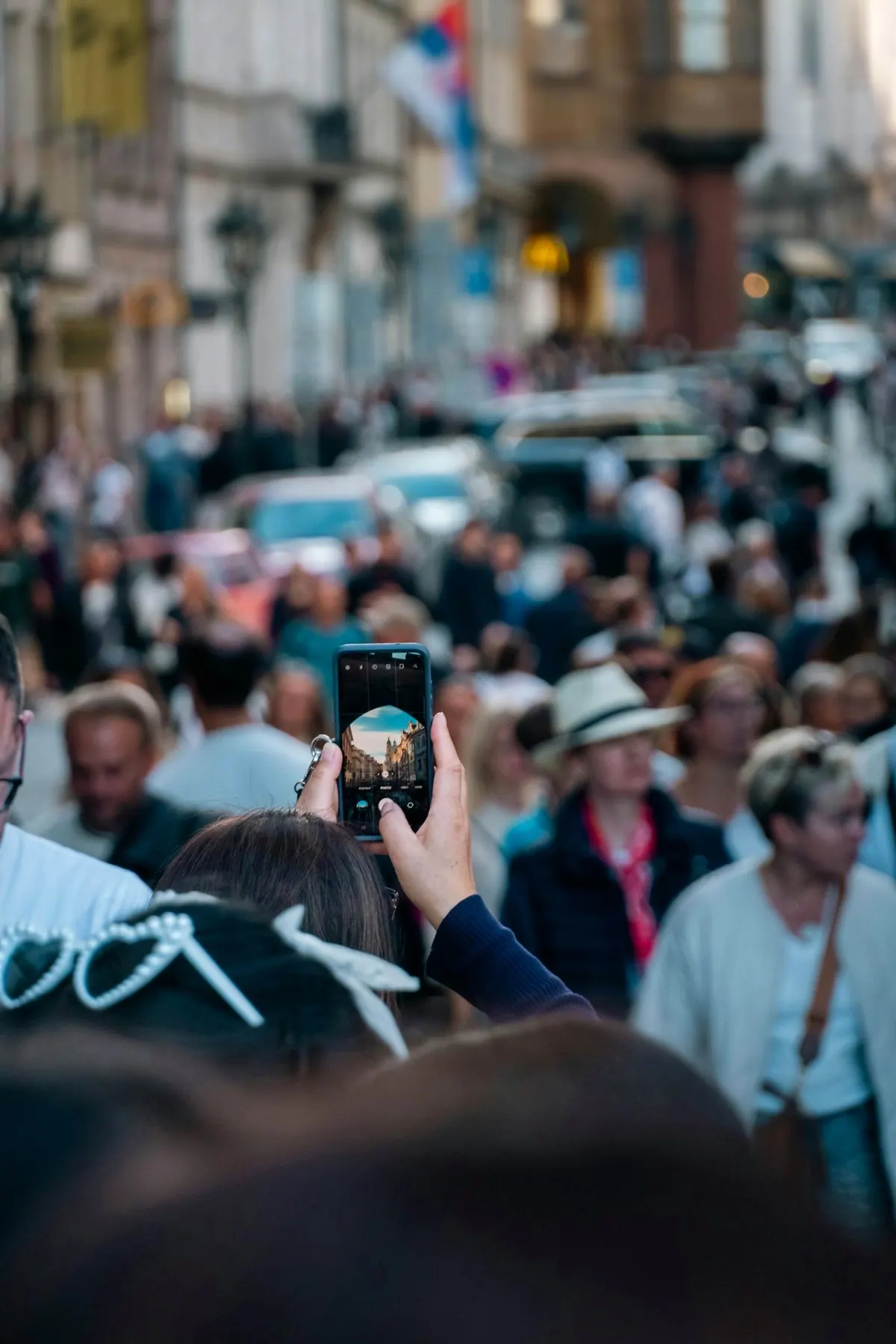
 Photo
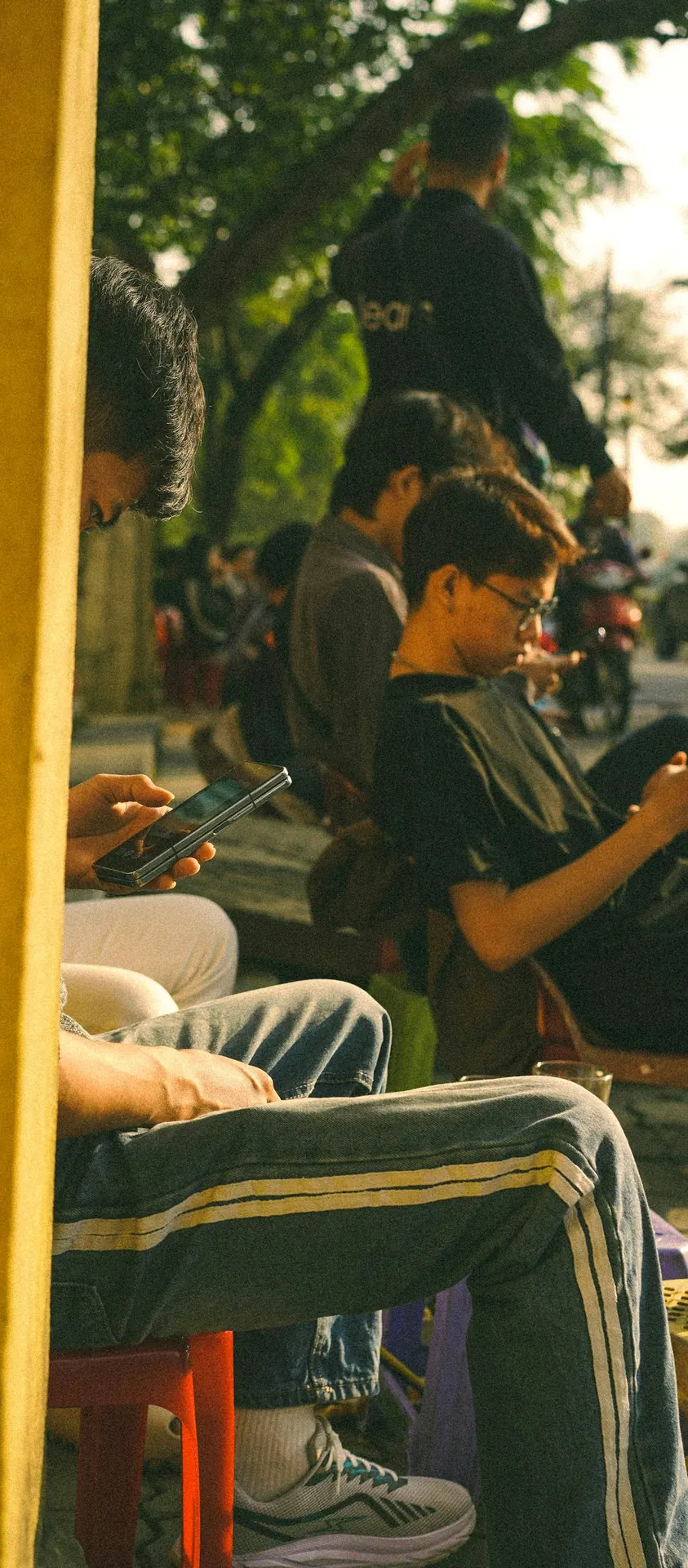
Arrives as · phones · cameras
HEICDNG (RAW)PNG · 4000 px
- 1decode, apply EXIF rotation
- 2convert to sRGB
- 3long side 1920 px
Leaves asJPG · sRGB · 1920 pxGPS moved to the manifest
Time, weather, road and traffic multiply into quota cells. Each cell gets a target before the first drive.
Axes follow the ODD taxonomy of ISO 34503 — scenery, environmental conditions, dynamic elements — and the scene attributes used by open driving sets such as BDD100K.
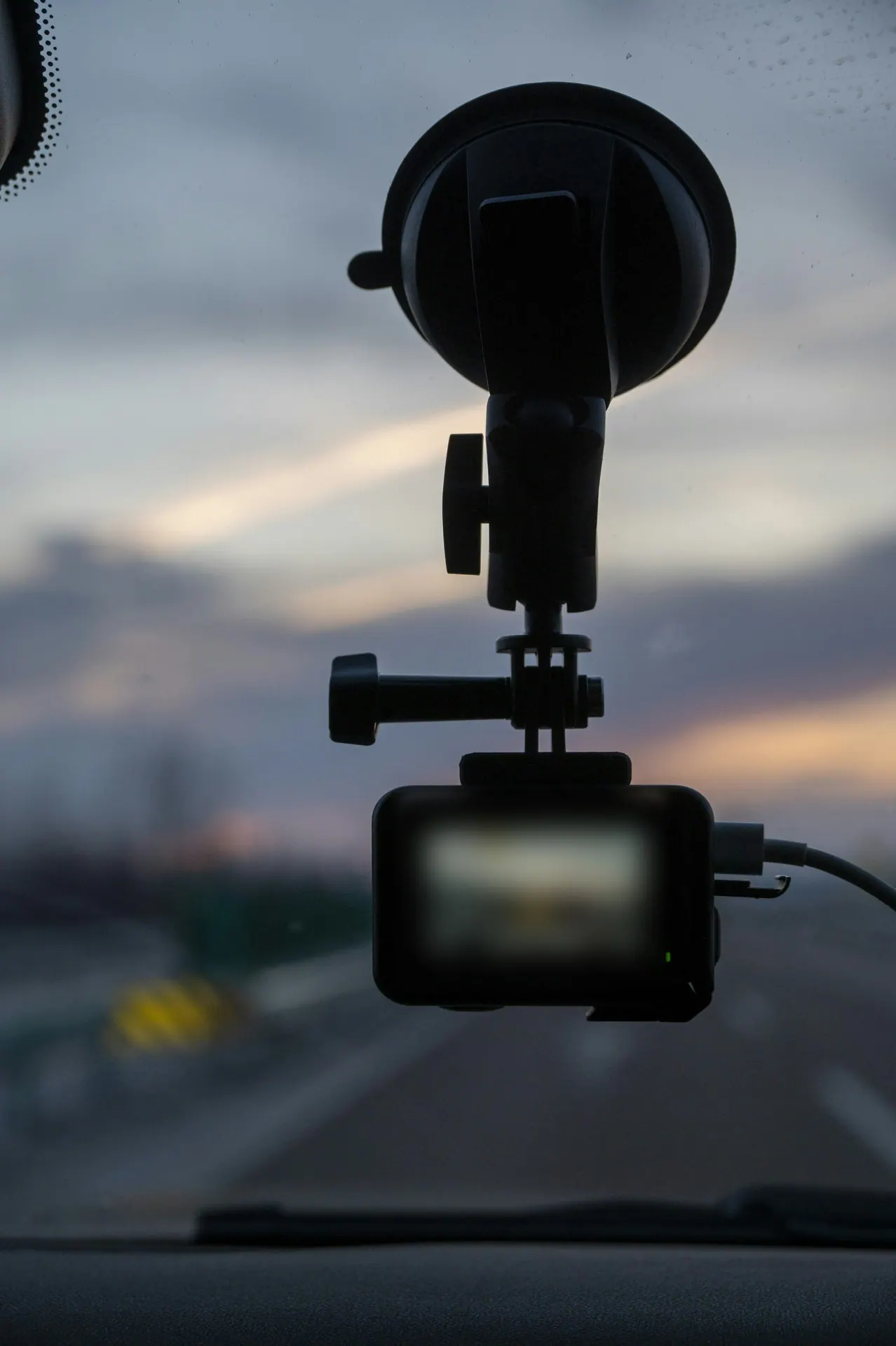
Phone photos · RAW · dashcam video · voice memos · CAN logs
Whatever arrives leaves in the one format your pipeline reads.
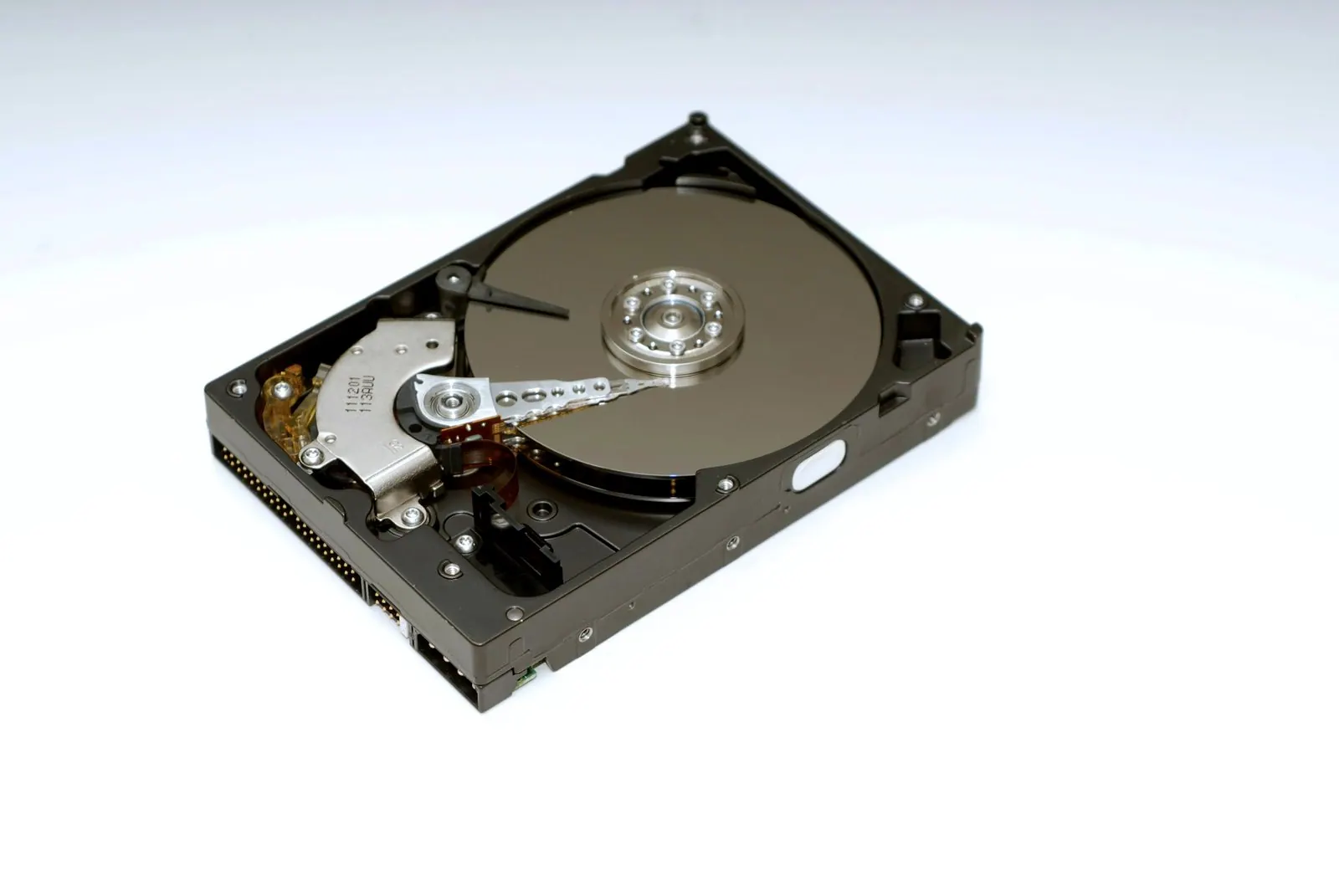
The originals stay untouched in raw/ with their checksums; only the converted copies go to clean/.
Photo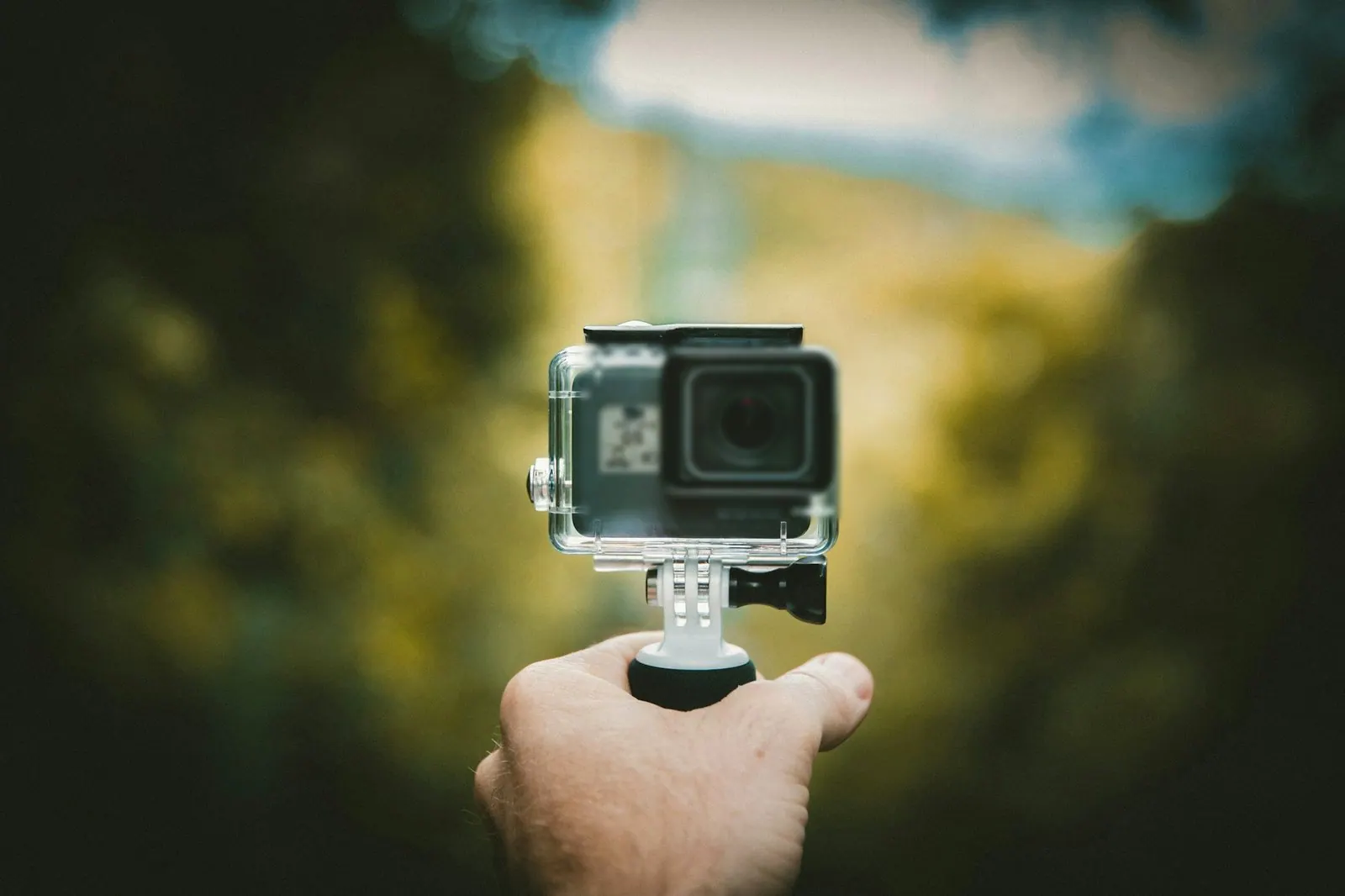 Video
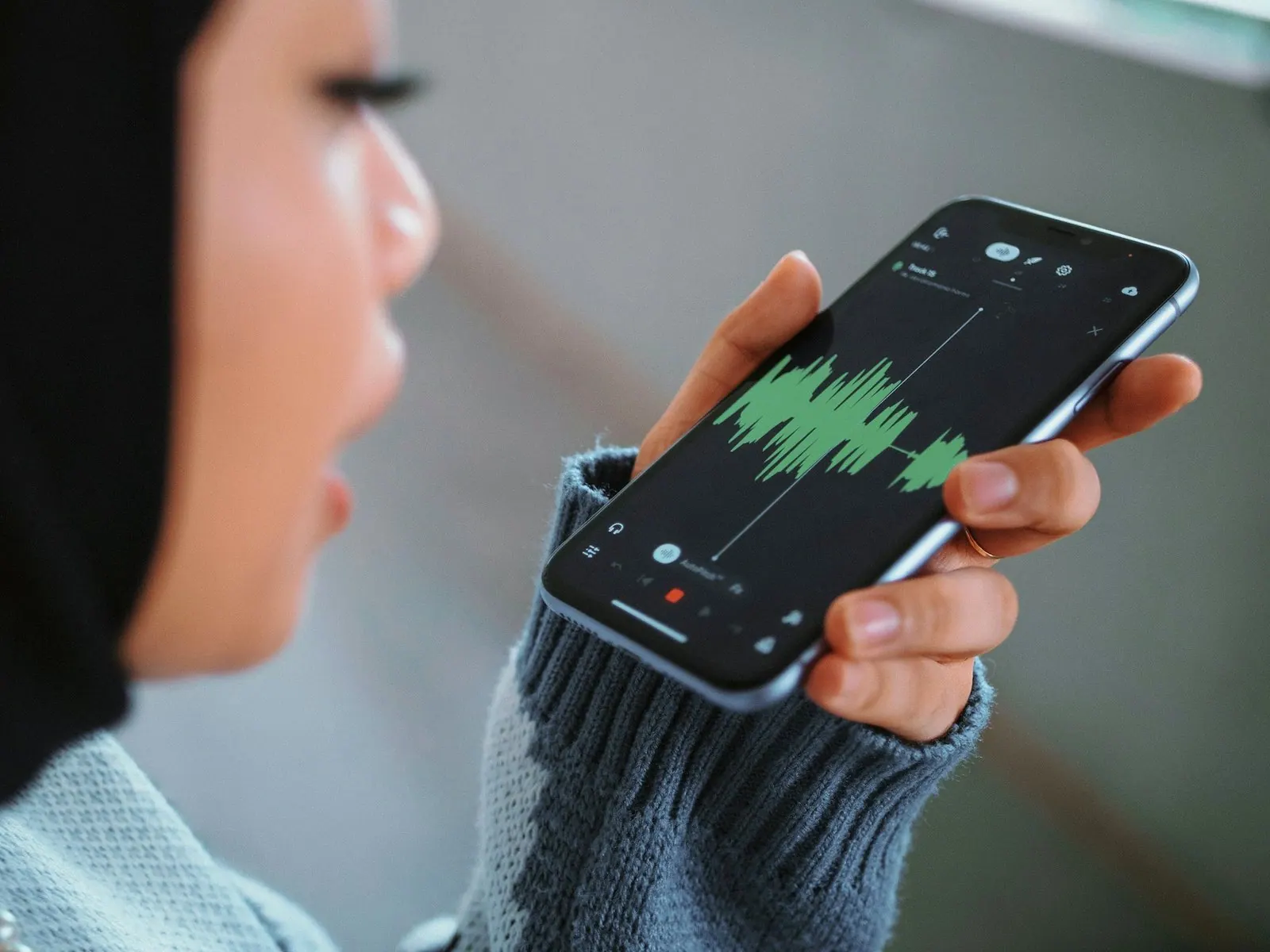 Speech
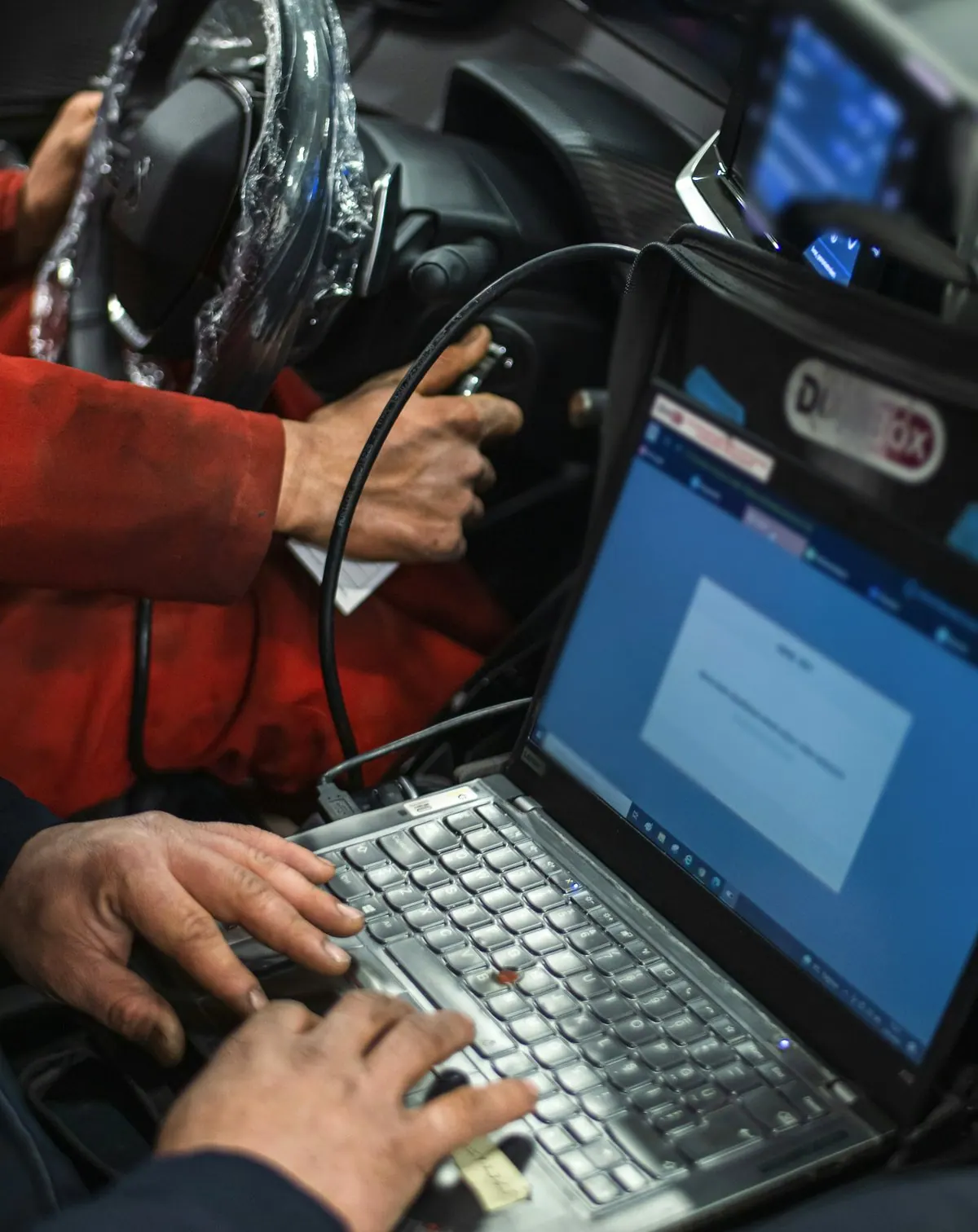 Driving log
Collection is not done when the file count is reached — it is done when every cell is filled.
Each tile is one quota cell: 6 cities × 4 times of day × 6 weather–traffic mixes. A tile clears when its target is met; amber tiles are still short.
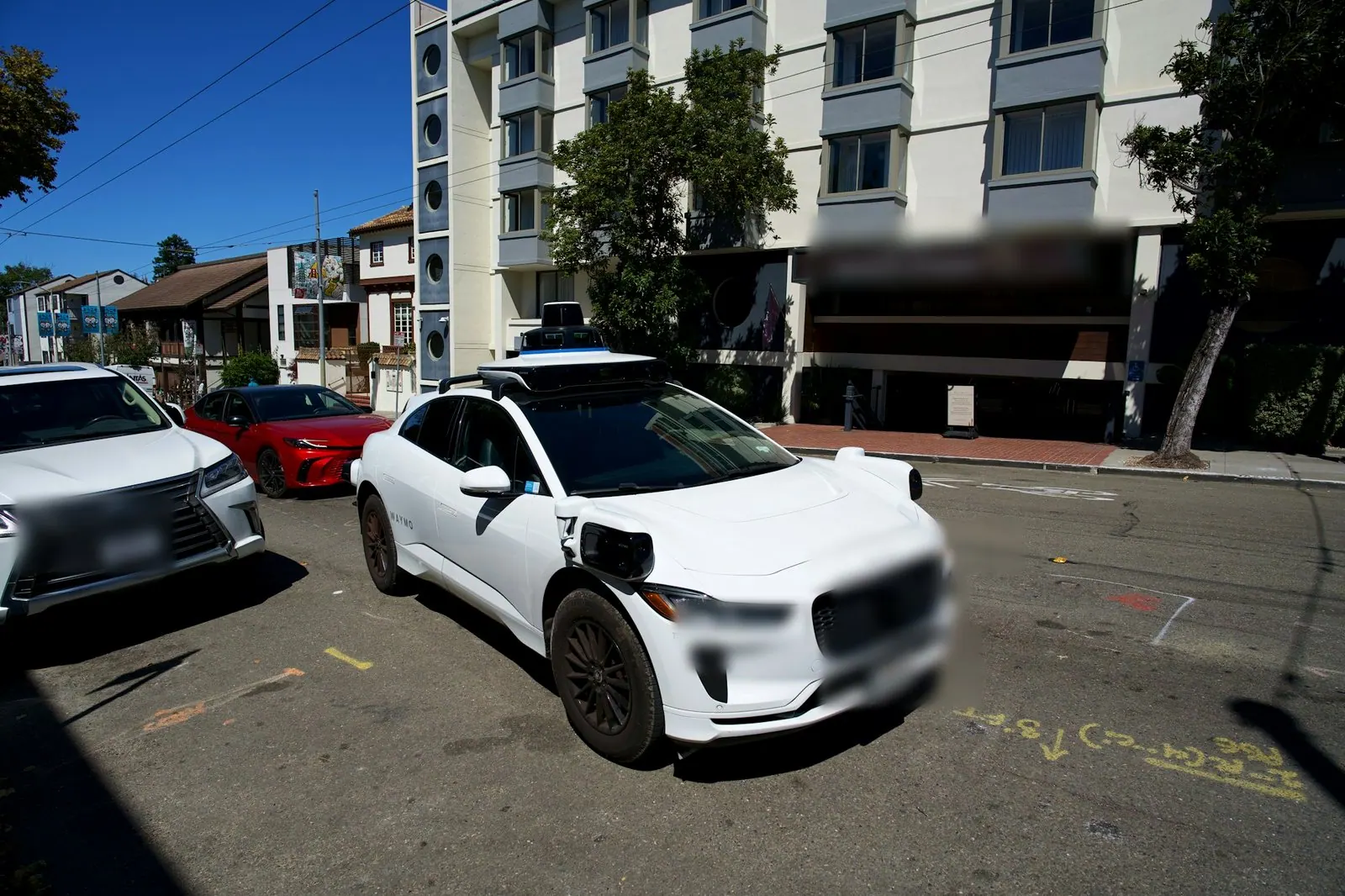
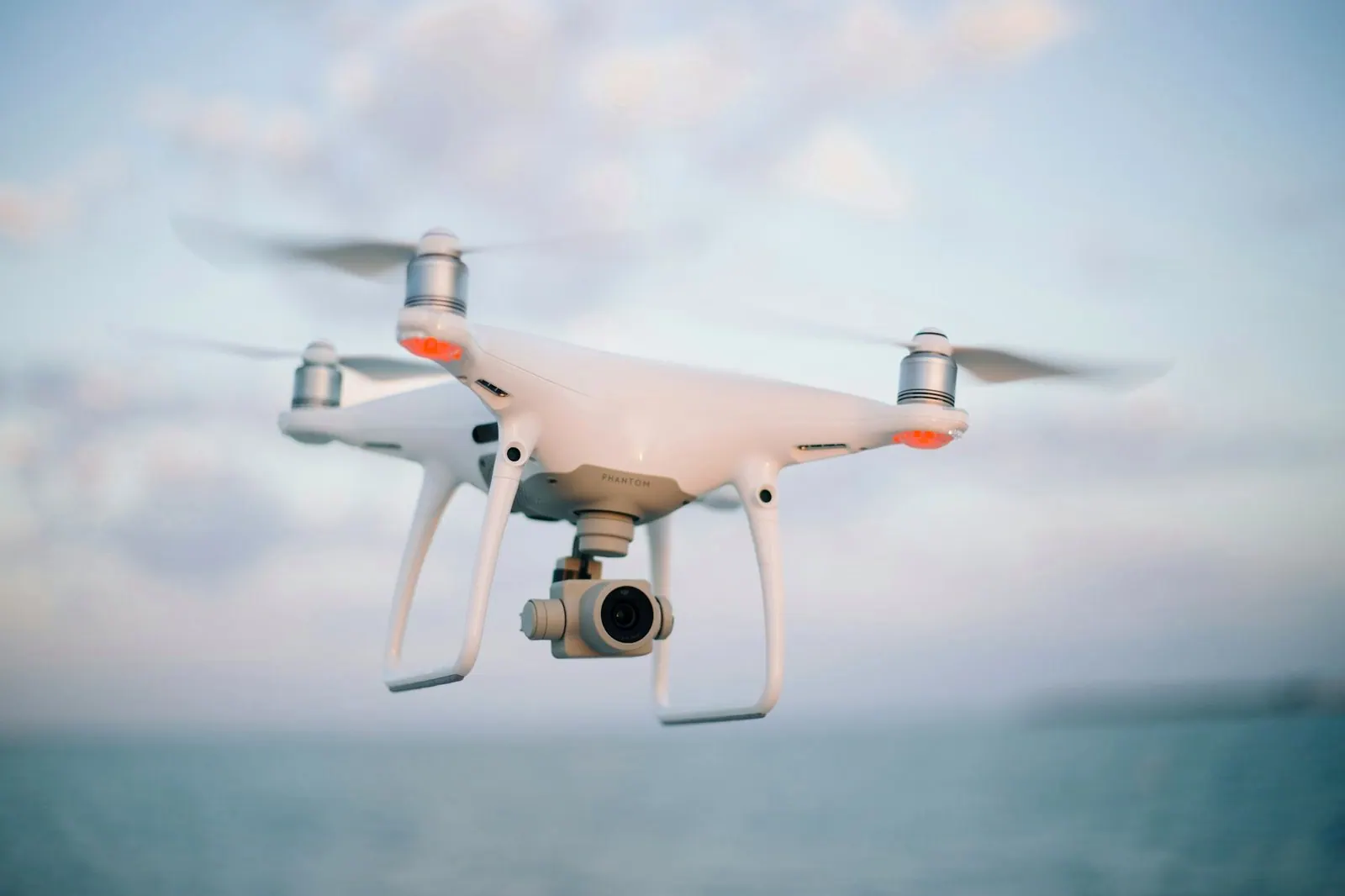
Short cells → next crew ordersField crews in Korea, Japan and Vietnam, vehicle rigs, drones, studios and a vetted crowd
or data you already own.
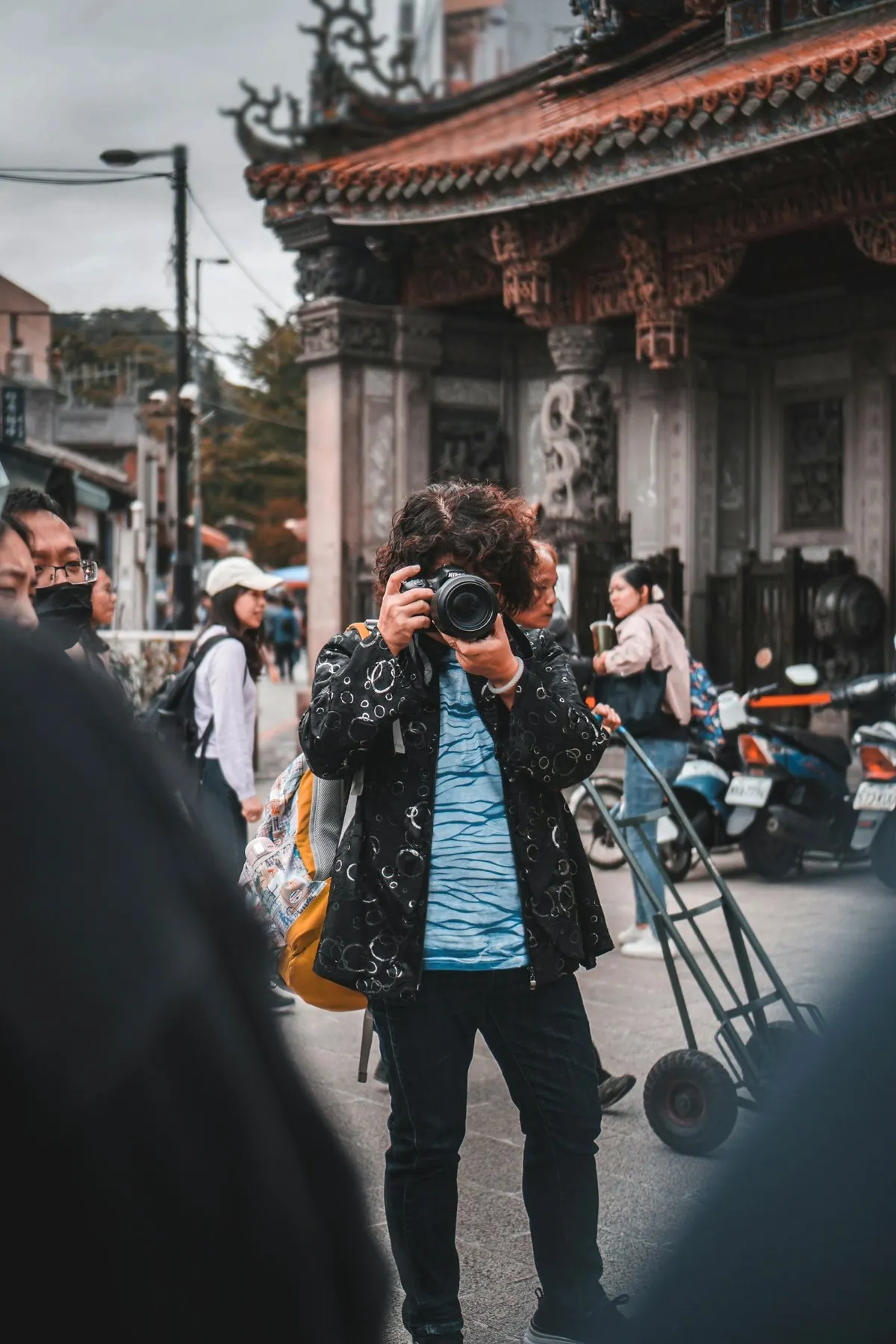
Checks run at ingest, so a bad file is caught the same evening
while the crew can still go back.
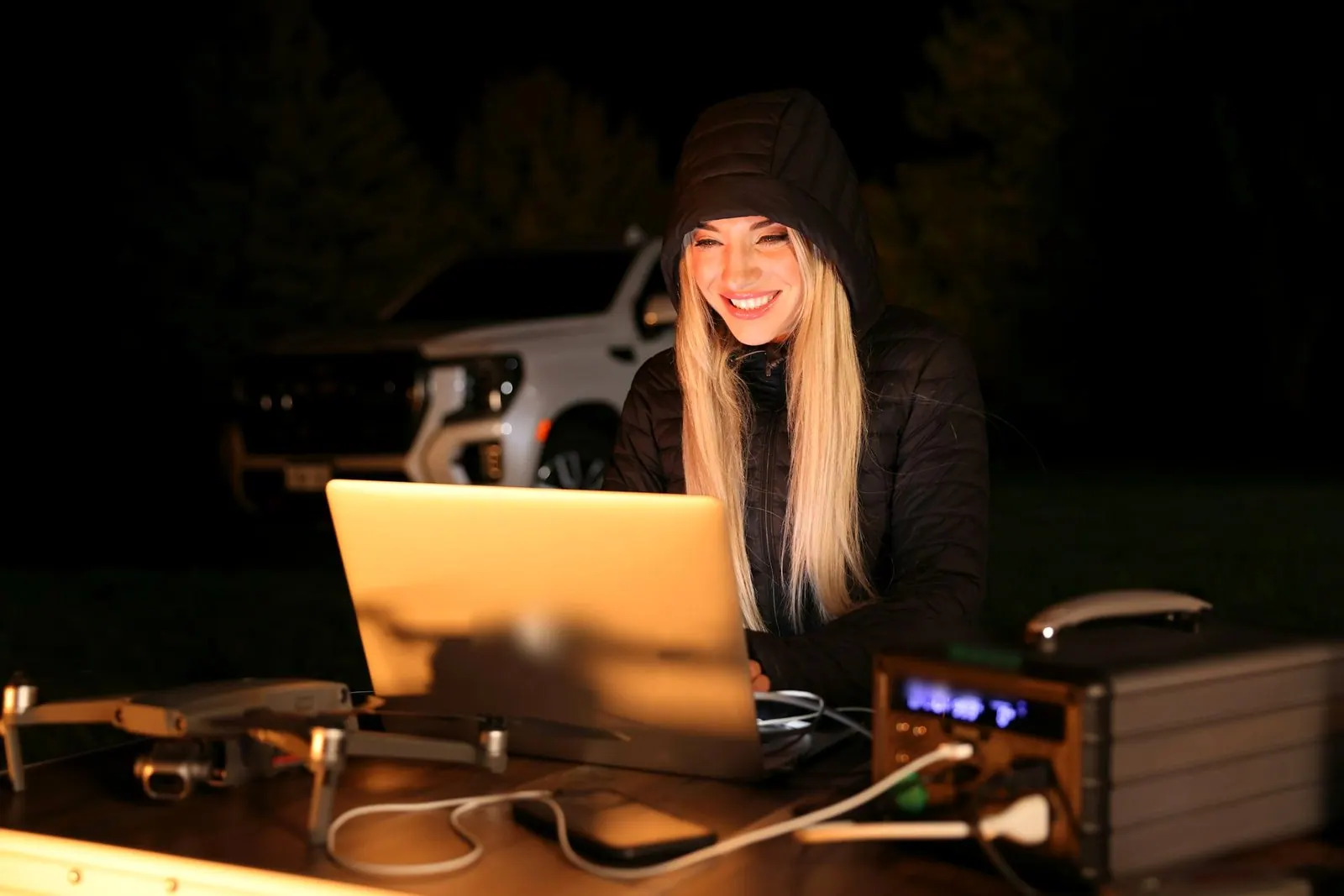
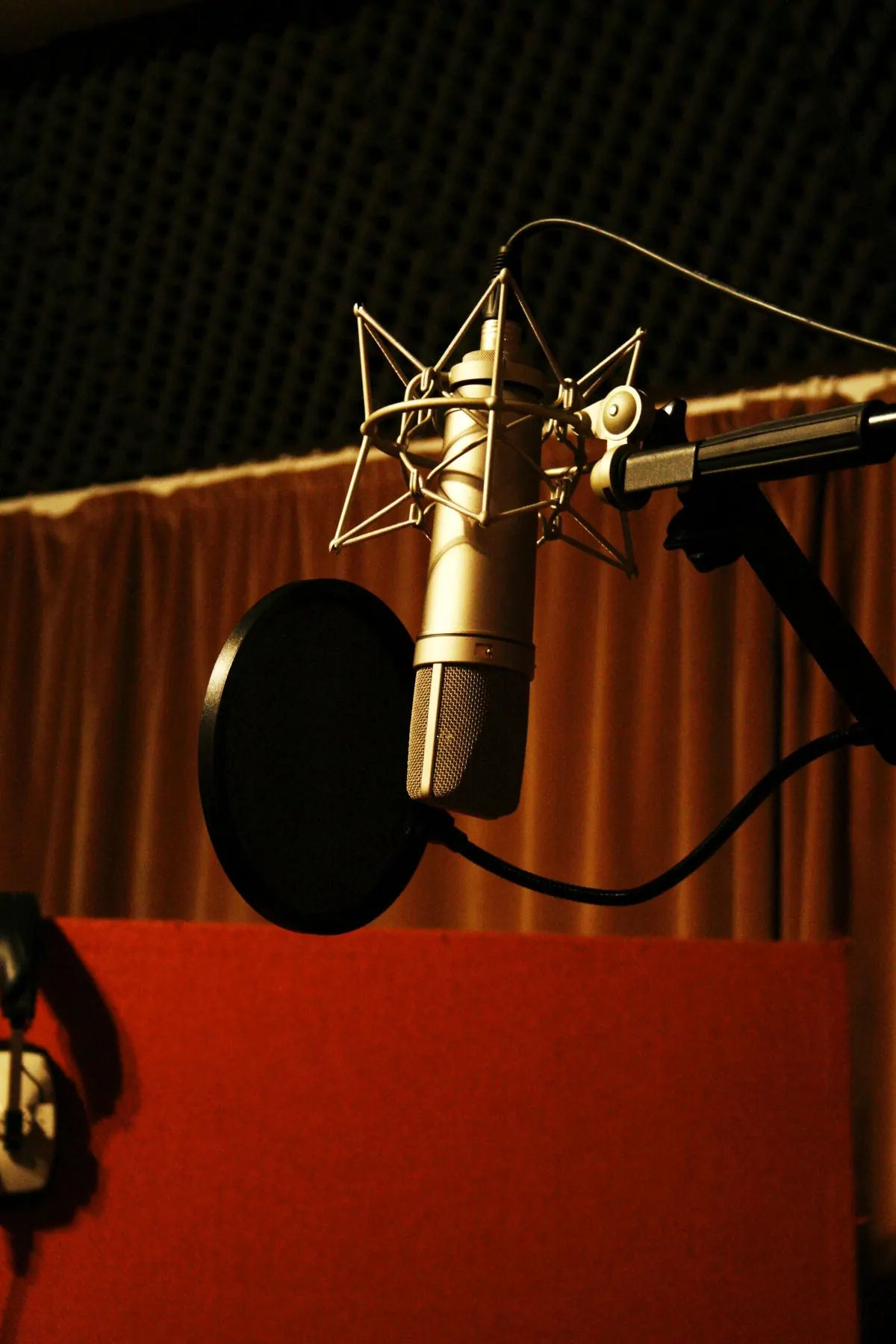
Native speakers of Vietnamese, Korean, English and Japanese read prompts or speak freely, balanced by gender, age, accent and place.
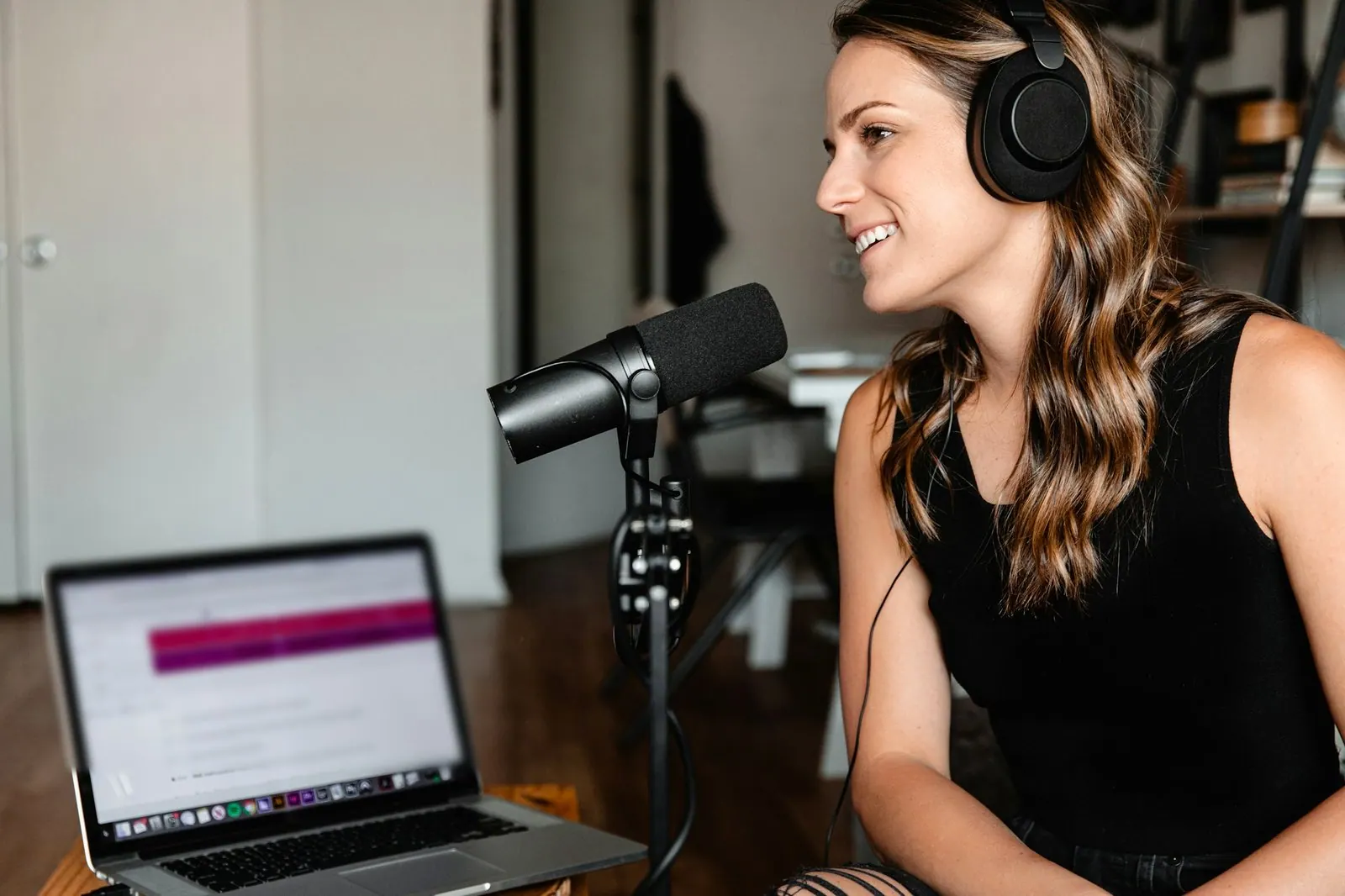 Studio · Da Nang · booth 2
Cho tôi đặt một bàn cho bốn người lúc bảy giờ tối.
next › 내일 아침 일곱 시에 알람 맞춰 줘.내일 아침 일곱 시에 알람 맞춰 줘.
next › Turn left at the next junction, then keep right.Turn left at the next junction, then keep right.
next › 次の交差点を右に曲がってください。次の交差点を右に曲がってください。
next › Mở nhạc nhỏ lại giùm tôi nha.Mở nhạc nhỏ lại giùm tôi nha.
next › Hôm nay trời mưa to, đường ngập nhiều chỗ.Hôm nay trời mưa to, đường ngập nhiều chỗ.
next › Cho tôi đặt một bàn cho bốn người lúc bảy giờ tối.studio, noise floor below −60 dBFS, condenser at 30 cm
phones in cars, homes and streets — the noise your users really have
Machines measure, people listen to what the machines flag. Failed takes go back to the speaker the same day.
voice activity detection keeps 0.3 s either side
3+ samples at 0 dBFS in a row → re-record
studio ≥ 30 dB · real-place sets ≥ 15 dB
pauses over 1 s inside a sentence are flagged for review
−23 LUFS (EBU R 128), peaks ≤ −1 dBTP
48 kHz → 16 kHz mono, WAV PCM 16-bit, file name rule
Frames are extracted at a rate set in the plan; frames that show nothing new are skipped.
Labelers never draw the same scene twice.
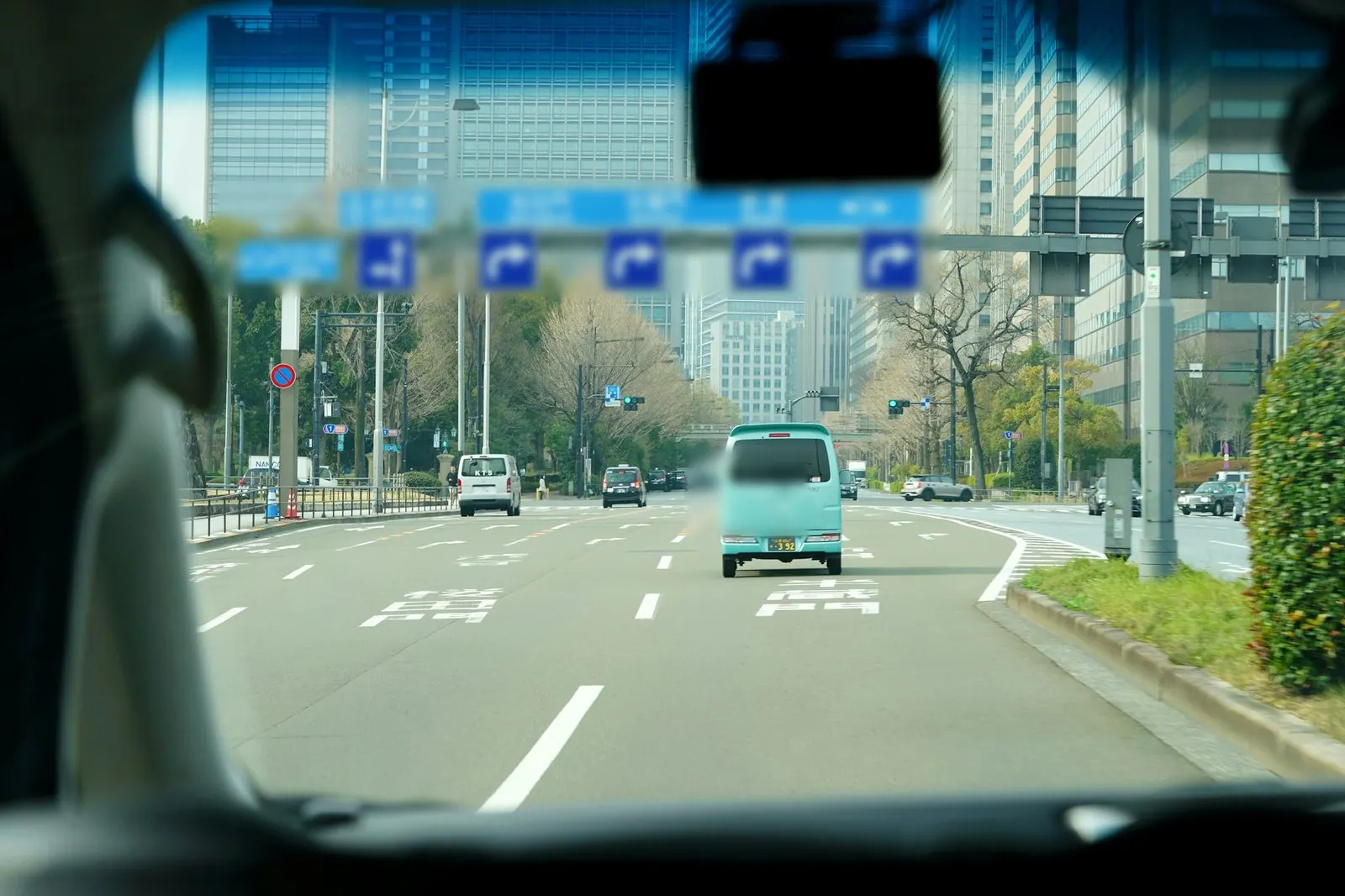
Every frame is measured for duplicates, blur, exposure and spec — then marked kept or removed with the reason.
same hash → one copy
Hamming ≤ 8 of 64 bits or cosine ≥ 0.95 → best one per cluster
variance < 100 at 1920 px (tuned per camera)
> 5 % of pixels at 0 or 255
fails to decode, < 1920 px, wrong fps
A burst of 24 frames: neighbours that look the same are near-duplicates. Machines flag, a person confirms the borderline ones.
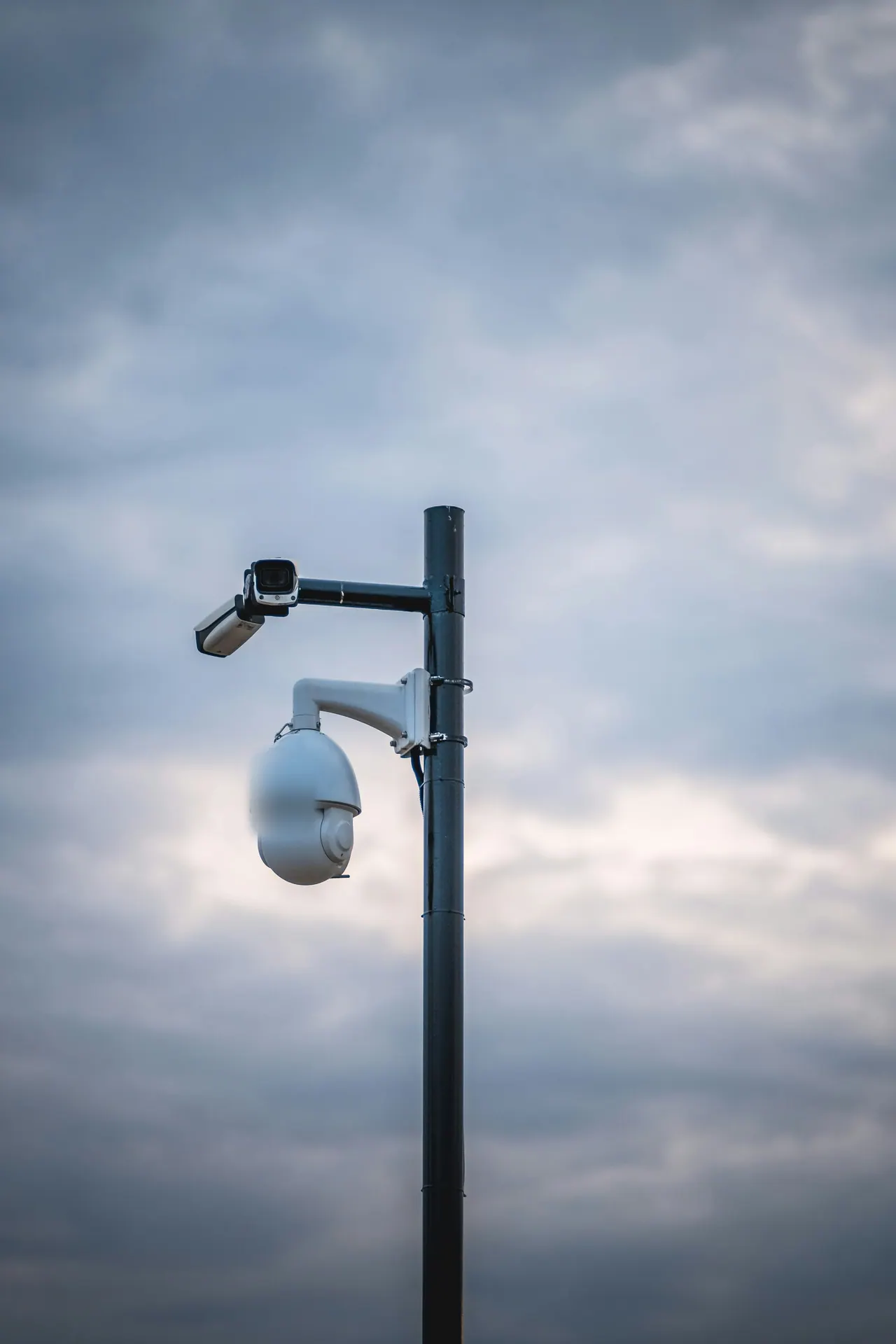
Street scenes carry people who never signed anything. Their faces and plates are hidden before files reach storage or labelers.
faces, plates and phone numbers on signs found by a model
a reviewer adds what the model missed — small, side-on, blurred
blur or solid mask; the stored file never holds the original
what was masked, by whom, when — kept with the consent records
Consent is recorded so its time and content can be checked; people who are recorded can withdraw it, and their files are traced through the manifest.
pseudonymisation rules and rules for filming with mobile cameras
pseudonymously processed information
lawful basis and data minimisation
California consumers’ notice and opt-out rights
What you receive with every batch, ready for labeling.
One format, one manifest row per file — labeling starts the same day.
scenarios · capture spec · consent form
target vs collected per condition
as captured, checksummed
kept and removed, by reason
consent ID ↔ files
Every delivery carries a datasheet in the style of “Datasheets for Datasets”. Figures are an example.
A pilot of two or three scenarios and 500–1,000 files: we collect, refine and show you the samples with the refinement report before scaling up.
Yes. Send raw data by SFTP, a cloud bucket or an encrypted disk; we only deduplicate, filter and normalise it, with the same report.
Yes. Blur, duplicate and exposure thresholds are agreed in the pilot by looking at borderline files together, then fixed in the collection plan.
People we record sign a consent form and its ID is linked to every file in the manifest. Faces and plates captured in public places are masked before storage, following Law 91/2025/QH15 and Decree 356/2025/NĐ-CP.
Vietnamese (northern, central and southern accents), Korean, English and Japanese — native speakers, in a studio and in real places.
Yes. Vehicle rigs run in Korea, Japan, Vietnam and other countries on routes planned against the quota sheet — time of day, weather and road type — and each clip keeps GPS and CAN logs.
In many areas, yes. Flight permits and the time they take are part of the collection plan before any drone day is booked.
Refined files in one format, a manifest (JSONL or CSV), a datasheet, the refinement report (kept and removed by reason) and the consent log.
Every file carries its consent ID in the manifest, so the files of a person who withdraws are traced and handled. Consent is recorded so its time and content can be checked, following Law 91/2025/QH15 (VN) and Decree 356/2025/NĐ-CP (VN), with PIPA (KR), APPI (JP), GDPR (EU) and CCPA/CPRA (US) where the data goes.
Not by file count. Every quota cell — time, weather, road and traffic — has a target, and collection ends when each cell is filled; short cells become the next crew orders, and ingest checks catch bad files the same evening while the crew can still go back.