



EN·VI·KO·JA Contact
Services / Development Biz
[ Development Biz ]

Shipped every two weeks,supported for years.

Business systems, web and mobile apps and AI features
— reviewed, merged, tagged and released on a steady cadence, with hotfixes under the same rules.

Development Biz · Architecture map

Nine lines of work, one bilingual team.

Where each area sits in a typical enterprise system — choose a region to go to it.

From the first workshop to years of operation: business systems, apps, design, AI, data, devices and infrastructure — each with its own deliverables, stack and quality gates.

FrameODC (GDC) dedicated teamsProject team or a dedicated ODC team.
Channels & experienceWeb portals, customer apps, staff apps, admin consoles.
Business applicationsERP modules, groupware, approvals, HR, CRM, finance.
IntelligenceVision, document AI, LLM assistants, agents, forecasts.
Integration & dataAPIs, messages, pipelines, data store, dashboards.
Edge & devicesControllers, cameras, sensors, gates, gateways.
InfrastructureCloud, servers, network, security, packaged ERP.
01Business systems
ERP modulesApprovalsLegacy
02NFFICE customization
GroupwareHRCRMFinance
03Web & mobile apps
Web portaliOS · AndroidAdmin console
04UI/UX design
ResearchFlowsDesign system
05AI development
VisionDocument AILLM assistantsAgentsForecasts
06Data & integration
APIsMessagesPipelinesData storeDashboards
07Embedded & IoT
ControllersCamerasSensorsGatesGateways
08IT Infra
CloudServersNetworkSecurityPackaged ERP
09Maintenance & operationsOperations (across all layers)
  • Monitoring
  • Incidents
  • Releases
  • Service levels
API callBusiness eventTelemetry · heartbeatDeploy (pipeline)
Map keyNine regions and the frame around them
Business systems

We draw the business before the code

ERP, groupware and work systems built around how your company actually works.

We model your processes, approvals and data before writing code, so the system follows the business rather than the other way round. Each module ships in two-week increments against an agreed domain model, and legacy systems are replaced piece by piece instead of in one risky cut-over.

01 / 09
100%acceptance criteria met per story before it is done (example)
1122334455667788AABBCCDDEE
Submit purchase request
CFO approval
Team-lead approval
Create PO in ERP
Goods receipt · 3-way match
Need raised> 50M VND?yesno48 h → escalateERPInvoice paid
PURCHASE_REQUESTpr_id · PKentity_coderequester_id · FKamountcurrencystatus
PR_LINEline_id · PKpr_id · FKitem_code · FKqtyuom
ITEMitem_code · PKname_koname_viname_enuom
APPROVALapproval_id · PKpr_id · FKstepapprover_iddecision
PURCHASE_ORDERpo_id · PKpr_id · FKvendor_id · FKissued_at
VENDORvendor_id · PKtax_codecountrycurrency
Scope
Custom business systems

ERP modules, groupware and line-of-business systems: purchasing, inventory, production, projects, contracts — with role-based access and audit trails.

Legacy modernization

Old client-server or on-premise systems assessed, then rehosted, refactored or rebuilt step by step, with data migrated and reconciled.

General notes · quality
  1. Acceptance criteria met per story — 100% before a story counts as done (example)
  2. Migrated record reconciliation — 0 unexplained differences on totals (example)
  3. Screen response (p95) — Under 1.5 s on common lists (example)
  4. Audit trail coverage — Every create / approve / delete logged (example)
Materials · stack
Java · Spring Boot.NETNode.js · NestJSPostgreSQLSQL ServerOracleReactKeycloak (SSO)Camunda / BPMNDocker
REVStepDescription
AProcess workshopInterview owners, map as-is flows, collect forms and reports.
BDomain & architectureERD, module boundaries, integration points, non-functional targets.
CSprint buildTwo-week sprints, demo to key users at the end of each.
DData migrationTrial loads, reconciliation, sign-off by data owners.
EGo-live & hypercareParallel run where needed, then a stabilisation window.
ProjectPurchasing module (example)
DrawingSYS-01
Sheet1 / 5
ApprovedProcess owner
Deliverable set (● on this sheet)
  • Process map (BPMN)As-is and to-be flows with roles, approvals and exceptions.
  • Domain model & ERDEntities, relations and codes the whole team agrees on.
  • Requirements backlogUser stories with acceptance criteria, prioritised per release.
  • Migration & cut-over planMapping, reconciliation rules, rehearsal and rollback steps.
  • Modernization roadmapEach legacy function tagged rehost / refactor / rebuild / retire, in order.
Redlines · when customers call us
△1

Excel and e-mail have become the system, and month-end takes days.

△2

A packaged ERP does not fit a key process and customising it costs more than building.

△3

A 10–15-year-old system has no vendor left and nobody wants to touch it.

NFFICE customization

Your approval rules, in the product

NFFICE extended for your company: forms, approval lines, screens and links to your own systems.

Because the team that builds NFFICE also customises it, changes stay inside the product’s extension points and survive upgrades. We start from the standard modules and add only what your workflow needs — then connect NFFICE to the ERP, HR and accounting systems you already run.

02 / 09
80%of requirements met by standard + configuration, no custom code (example)
Approval matrix · Hai Phong plant (example)Form × amount → approvers
Amount
Purchase request
finalLeadTeam leadapprove
LeadTeam leadapprove
FINFinancereview
finalHeadDept. headapprove
LeadTeam leadapprove
HeadDept. headapprove
FINFinancereview
GDGeneral directorapprove
finalHQHQ CFOapprove
Expense claim
finalLeadTeam leadapprove
LeadTeam leadapprove
finalFINFinanceapprove
LeadTeam leadapprove
HeadDept. headapprove
FINFinancereview
finalGDGeneral directorapprove
Contract review
LegalLegalreview
finalHeadDept. headapprove
LegalLegalreview
HeadDept. headapprove
finalGDGeneral directorapprove
LegalLegalreview
HeadDept. headapprove
GDGeneral directorapprove
finalHQHQ CFOapprove
Overseas business trip
LeadTeam leadapprove
finalHeadDept. headapprove
LeadTeam leadapprove
HeadDept. headapprove
finalGDGeneral directorapprove
LeadTeam leadapprove
HeadDept. headapprove
finalGDGeneral directorapprove
HQHQ CFOnotify
approvereviewnotifyfinaldelegated authority ends here
Rollout · each step signed off
1Fit-gap workshop

Standard NFFICE walked through with your forms and rules.

2Configure

Organisation, roles, forms and approval lines set up first.

3Extend & integrate

Custom screens and interfaces built and tested.

4Pilot & rollout

One department or entity first, then the rest.

What we customise
Features for your company

Approval forms, delegation rules, dashboards and screens added for your workflow, configured first and coded only where needed.

In-house system integration

NFFICE connected to HQ ERP, HR, accounting and e-invoice systems through APIs or scheduled file exchange.

Multi-entity rollout

Organisations, rights, holidays, currencies and languages set up for HQ and each local entity.

Fit-gap sheet · share of requirements (example)
  • Standard52%

    Leave and attendance approvals

  • Configure28%

    Delegation rules per amount

  • Extend13%

    Plant shift-handover form

  • Integrate7%

    Approved POs to the HQ ERP

Package contents
  • Fit-gap sheetEach requirement marked standard / configure / extend / integrate.
  • Approval matrixForm × amount × department → approvers and delegation.
  • Integration specFields, codes, frequency, error handling per interface.
  • Entity setup workbookOrg chart, roles, calendars, currencies per entity.
Checked on every release
  • Requirements met by configurationMost needs solved without custom code (example)
  • Custom code surviving upgrades100% regression-tested on each release (example)
  • Interface success rateFailed messages retried and alerted within 15 min (example)
Requests we receive
  • NFFICE fits most of your work, but approvals or reports follow company-specific rules.

  • HQ in Korea or Japan needs Vietnamese entity data in its own ERP.

  • Several entities need one platform with different holidays, currencies and languages.

Built with
NFFICE extension pointsREST APIWebhooksSFTP / CSV batchSSO (SAML / OIDC)KO · VI · EN · JA
Web & mobile apps · OpenAPI · app screens

One API contract, web and app on it

Web services, portals, admin consoles and iOS / Android apps for customers and staff.

We build the front end and the back end together, from API contract to store release, so the app and its server evolve as one product. Every build goes through automated tests and a staged release — internal, beta, then production — with crash and performance monitoring from day one.

03 / 09
99.5%release gate: crash-free sessions (example)
openapi.yamlprototype.figci.ymlrelease-notes.md
1openapi: 3.1.0
2info:
3title: Wallet API (example)
4version: 1.4.0
5paths:
6/v1/onboarding:
7post:
8summary: Start sign-up
9responses: { '201': Created }
10/v1/me/balance:
11get:
12summary: Current balance
13responses:
14'200': { $ref: Balance }
15/v1/transactions:
16get:
17parameters: [ month, limit ]
18responses:
19'200': { $ref: TxPage }
20components:
21schemas:
22Balance: { amount: number, currency: string }
app.example.com/account
Hello, LinhAccount · VND
Balance₫12,480,000as of 09:00
This month
  • Coffee · Hai Ba Trung−65,000
  • Salary+18,400,000
  • Electricity−1,210,000
In18.4M
Out5.9M
Scheduled3
9:41
Create account

Step 1 of 2

NameLinh TranMobile+84 90 123 4567Emaillinh@example.comI agree to the termsSign up
POST /v1/onboarding → 201sign-up screenGET /v1/me/balance → Balancebalance cardGET /v1/transactions → TxPagechart · activity list
Release train · internal → beta → production
Scope & flows

User journeys, MVP line, platform choice.

Prototype

Clickable screens and the API contract.

Build in sprints

Feature by feature, demo every two weeks.

Test & beta

Device matrix, beta group, store review.

Release & measure

Staged rollout, crash and usage tracking.

Release gates
  • ✓
    Crash-free sessions≥ 99.5% (example)
  • ✓
    Core Web Vitals (LCP)≤ 2.5 s on key pages (example)
  • ✓
    Automated test coverage of business logic≥ 70% (example)
  • ✓
    Release cadenceEvery two weeks (example)
What we build
Web services & portals

Customer portals, partner portals, booking and e-commerce front ends, admin consoles.

Customer apps

Native or cross-platform iOS / Android apps with sign-in, payments, push and offline use.

Internal work apps

Field inspection, approvals and reports on the phone, including barcode / QR and camera capture.

Files you receive
  • openapi.yamlAPI specification (OpenAPI)

    Endpoints, schemas and errors agreed before both sides build.

  • prototype.figClickable prototype

    Key flows tested with users before development.

  • ci.ymlCI/CD pipeline

    Build, test, sign and deploy on every merge.

  • release-notes.mdRelease notes & store listing

    What changed, in each language, per version.

Typical requests
  • NEED-01

    You are launching a new digital service and need web and app in one release.

  • NEED-02

    Field staff still report on paper or in chat groups.

  • NEED-03

    An existing app has poor reviews, crashes or no one left to maintain it.

UI/UX design · Wireframe → design system

From paper wireframe to design system

User research, flows and a design system — agreed before a line of code is written.

Designers sit in the same sprint as developers, so what is designed is what gets built. We test flows with real users in their language, then hand over a component library with tokens and states that developers use directly.

04 / 09
85%task success on key tasks in usability tests (example)
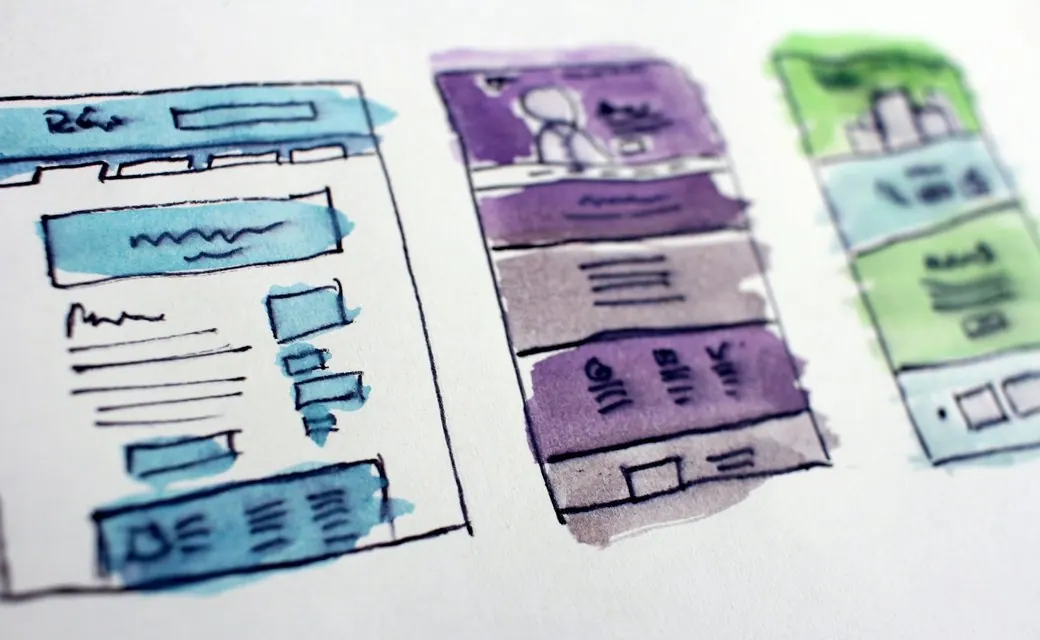
1 · Route options2 · Pick places3 · My routetaptapUser flow traced on paper wireframes
title
image
text
action
chart
Night tour · Lyon
4 stops · 2 h 10 minOld town, river walk, night market
Save
Crowd level
Start route
Wireframe→Hi-fi
Tokens
surface/0
surface/2
text/primary
text/muted
accent
Type scale
Aa 가32 / 40
Aa 가24 / 32
Aa 가16 / 26
Aa 가13 / 20
Button label · four languages · max 160 px
ENGenerate my route121px
KO내 경로 만들기96px
VITạo lộ trình của tôi138px
JAルートを作成する112px

Vietnamese runs longest: the rule allows two lines before the label is shortened.

File pages
  • 00
    Research report & personas

    Who uses it, for what, where it hurts.

  • 01
    User flow & sitemap

    Every path from entry to done, including errors.

  • 02
    Wireframes & prototype

    Low to high fidelity, clickable.

  • 03
    Design system library

    Tokens, components, states, text-length rules for four languages.

Design sprint
  1. ResearchInterviews and observation of the real task.
  2. StructureInformation architecture and flows.
  3. Prototype & testTested with 5–8 users per round (example).
  4. Visual & systemScreens and the component library.
  5. Handover & QADesign review of the built screens.
Design QA checklist
  • □
    Task success in usability tests≥ 85% on key tasks (example)
  • □
    AccessibilityWCAG 2.2 AA contrast and keyboard checks (example)
  • □
    Layout in four languagesNo truncated labels in KO · VI · EN · JA (example)
  • □
    Built vs designedDesign QA issues closed before release (example)
Services
User research

Interviews, task analysis and usability tests with users in KO, VI, EN or JA.

Flows & wireframes

Information architecture, user flows and wireframes signed off before development.

Visual design & design system

Interface design plus a component library with tokens, states and accessibility rules.

Heard in research
Users avoid a system and keep their own spreadsheets.
The same product must work for Korean HQ and Vietnamese staff.
Several apps look and behave differently and need one system.
AI development · Inference pipeline · model tree

Confident results act; the rest go to a person

Vision, document AI and ontology first — the areas proven in our own products.

We take a model from a measured proof of concept to a monitored production service, on your data and your infrastructure. Training data comes from AI Data Biz and independent evaluation from QA Biz, so data, model and test are owned inside one company.

05 / 09
0.62below the confidence bar: a person checks it (example)
pipeline · ai-inference-loopthree inputs · one confidence gate (example)
Camera frameperson 0.94
InvoiceTotal ₫12,400,000
QuestionWhich parts failed QC this week?
Vision modelYOLO · ONNX · TensorRT · Jetson
Document AIOCR · key-field extraction
LLM + RAGvLLM · pgvector · sources cited
confidence ≥ thresholdyesno
Act in the business systemNFFICE · MES · ticket
Human reviewbelow the threshold, checked and corrected
Drift monitor
retrain line
Training dataAI Data Biz
Evaluation → registryQA Biz · MLflow
retrained model deployed back to the edge and the serverframe0.62 → reviewanswer + sources
Confidence gate

Results above the threshold act in the business system; the rest go to a person, and their corrections become training data for the next model.

Everything under AI development · groups and items
AI consulting & PoCAI readiness check (proposal: 2 weeks)Proof of concept on your data (proposal: 4–6 weeks)Production planComputer visionObject detection & trackingSegmentationFace recognition & accessSafety video analyticsDefect & anomaly inspectionDocument AI & OCRID, invoice and form OCRKey-field extraction & eKYCDocuments prepared for LLMsGenerative AI & LLMCustom chatbots & work assistantsCompany knowledge search (RAG)Fine-tuned & on-premise LLMsSummaries, translation & reportsAgents & knowledge graphsWorkflow agents across systemsOntology & knowledge graphHuman-approved multi-agentPrediction & speechDemand & sales forecastingPredictive maintenance & anomaly detectionRecommendationSpeech recognition & synthesisRobotics & physical AIRobot visionPerception for mobile robotsSimulation trainingVLA model fine-tuningDeployment & operationsEdge AI & model compressionMLOpsAI evaluation & safety testingTraining data
AI development8 groups · 30 items
Artefacts
  • Use-case scorecard

    Candidates ranked by value, data readiness and risk.

  • Dataset card

    Source, classes, splits, labelling rules, consent and retention.

  • Model card

    Intended use, metrics per condition, known limits.

  • Evaluation report

    Test set, metrics, error analysis; red-team results for LLMs.

  • Inference service & runbook

    Container or edge package with monitoring and rollback.

From PoC to operation
  1. 1Diagnose

    Work and data reviewed, candidates selected.

  2. 2PoC

    A working model on your data, effect measured against a baseline.

  3. 3Build

    Model connected to real systems, users trained.

  4. 4Evaluate

    Independent test set and, for LLMs, hallucination and bias checks.

  5. 5Operate

    Drift monitoring and scheduled retraining.

Measured per condition
  • Detection accuracy (mAP@0.5)

    Reported per lighting / camera condition (example)

  • OCR key-field accuracy

    Field-level F1 with human review below a confidence threshold (example)

  • LLM answers with sources

    Every answer cites its documents; hallucination rate tracked (example)

  • Edge latency

    Under 100 ms per frame on the target device (example)

When you need it
  • People watch screens, check documents or inspect parts all day.
  • Data cannot leave your site, so cloud AI is not an option.
  • A PoC worked once but never reached production.
Data & integration · Pipeline DAG · interface list

HQ and local numbers that agree

HQ ERP, groupware and local systems connected; scattered data in one place and on one screen.

Most foreign-invested companies run two worlds: the HQ system in Seoul, Tokyo or Frankfurt, and local tools for tax, payroll and the site. We design the interfaces, codes and reconciliation between them, build the pipelines into one store, and put the numbers management needs on one dashboard.

06 / 09
1 hfrom a source change to the dashboard (example)
dag · hq_monthly_closeschedule: hourly · owner: data team (example)
extract_hq_erp
extract_einvoice_vn
extract_payroll_vn
extract_nffice
stg_load
map_codes
reconcile_totals
test_freshness
publish_mart
Δ 0 · totals match (example)→ BI · Power BI / Superset
Last 16 runs (example)
extract_hq_erp
extract_einvoice_vn
extract_payroll_vn
extract_nffice
stg_load
map_codes
reconcile_totals
test_freshness
publish_mart
successfailed · alertedretried
Data freshnessDashboard updated within 1 hour of source (example)
ReconciliationSource and target totals match daily (example)
Interface error handlingEvery failed message alerted, none lost (example)
Interface catalogue (example)
IDSource → targetTriggerViaPer day
IF-01NFFICE → Finance, ERPapproved POAPI~120
IF-02VN e-invoice → Finance, ERPdaily 02:00batch~900
IF-03Local payroll → Finance, ERPmonthlySFTP1
IF-04Gate logs · IQ Face → NFFICE HReach entryMQ~3,000
IF-05HQ ERP → BI marthourlypipeline—
Code & field mapping · HQ ⇄ Vietnam entity
HQVN
Account41100 Product sales⇄TK 5111 Doanh thu bán hàng hóa
Cost centreKR-PRD-01⇄HP-XUONG-02
UnitEA⇄cái
ItemBRK-PAD-220⇄MA-0220
CurrencyKRW⇄VND · rate: daily reference (example)
KPI dictionary · one entryOn-time delivery %orders shipped on or before promise date ÷ orders shippedOwner: supply-chain lead · refresh hourly (example)
Services
Data engineering

Pipelines and data stores that collect, clean and model data from many systems.

Dashboards & BI

Management and site KPIs on one screen, with definitions everyone agrees on.

System integration & APIs

HQ ERP, groupware, e-invoice and local systems connected through APIs, messages or batch files.

Workflow automation (RPA)

Repeated entry and reporting done by software.

Project phases
  1. InventorySystems, interfaces, owners and pain points listed.
  2. Mapping & designCodes, fields, frequency, error handling agreed.
  3. Build & testInterfaces and pipelines with automated data tests.
  4. ReconcileTotals compared between source and target until they match.
  5. MonitorFailures alerted and retried; freshness tracked.
Symptoms we hear
  • !

    HQ asks for the same report every month and someone rebuilds it in Excel.

  • !

    Vietnamese e-invoices, local payroll and the HQ ERP disagree.

  • !

    Management cannot see one number for sales, cost or headcount.

Deliverables
  • Interface catalogueEvery interface: source, target, trigger, volume, owner.
  • Code & field mappingAccounts, items, cost centres and units mapped across systems.
  • Data pipeline (DAG)Scheduled jobs with tests, lineage and alerts.
  • KPI dictionaryOne formula and one owner per number.
Embedded & IoT · Gateway flow · datasheet

Device data that survives the network

Software inside devices and controllers, and the link from cameras, sensors and gates to your systems.

Device software is tested on the bench and on the target hardware, because timing, memory and power matter as much as features. On the IoT side we bring device data through a gateway into business systems, with secure provisioning and over-the-air updates planned from the start.

07 / 09
24 hnetwork outage with no device data lost (example)
telemetry · line-2 gateway → iot-huboutage → buffer → drain · OTA in waves (example)
MCUARM Cortex-M · FreeRTOS tasksDebug headerHardware-in-the-loop test accessCoin cellClock keeps time offline
Edge gatewayModbus · RS-485 · BLE → MQTTstore & forward buffer
✕ network down
IoT hubMQTT brokerAWS IoT / Azure IoT Hub
Business systemsMES · NFFICE · dashboards
0 messages lost across the outage (example)OTA · signed image
Fleet update · 36 devices (example)
  1. Canary 1
  2. Wave 2 5
  3. Wave 3 30
v1.4.1v1.4.2rolled back automatically
line2/temp 41.8°Cgate3/entrypress4/vib 2.1gline2/temp 41.8°C
Telemetry that survives the network

The gateway buffers while the link is down and drains the backlog when it returns; updates roll out in signed waves and roll back on failure.

Embedded & IoTService datasheetINFINIQ · DEV-07 · Rev. 2026.10

1Features

  • Embedded software — Firmware and application software for devices and controllers, on RTOS or embedded Linux.
  • IoT & device integration — Cameras, sensors and gates connected to systems through gateways and cloud IoT platforms.

2Deliverables

  • Hardware–software interface spec — Pins, buses, registers, timing and power states.
  • Firmware image & release notes — Versioned, signed builds with change history.
  • Device data model — Topics, payloads, units and sampling rates.
  • OTA & provisioning plan — How devices are enrolled, updated and rolled back.

3Development flow

  1. 1
    Requirements & hardware review Device constraints, interfaces and safety needs.
  2. 2
    Architecture Tasks, drivers, memory map, update strategy.
  3. 3
    Implement & unit test Static analysis and unit tests on host.
  4. 4
    HIL & field test Hardware-in-the-loop, then pilot devices on site.
  5. 5
    Release & OTA Signed images, staged update rollout.

4Characteristics

ParameterTypical (example)
Coding rule violations0 mandatory MISRA C violations (example)
OTA update success≥ 99% with automatic rollback (example)
Message deliveryNo data loss across a 24 h network outage (example)

5Supported interfaces

#NameClass
1C / C++Language
2Embedded Linux · YoctoOS
3FreeRTOS · ZephyrRTOS
4ARM Cortex-MMCU
5NVIDIA JetsonEdge AI
6MQTTProtocol
7ModbusFieldbus
8RS-485Physical
9BLEWireless
10ONVIF / RTSPVideo
11AWS IoT / Azure IoT HubCloud

6Application notes

  • A device works but its software is the bottleneck for new features.
  • Cameras, sensors and gates on site do not talk to any business system.
  • New devices for the EU market must meet security-update obligations.
IT Infra · Site topology · ground strata

Sites, cloud and a second region, built as code

Cloud environments, office and site networks, and packaged ERP — the ground the software runs on.

Infrastructure is written as code and reviewed like code, so environments can be rebuilt and audited. We plan landing zones, networks and backups against your data-location rules, and implement packaged ERP where a package fits better than custom build.

08 / 09
99.9%monthly availability in production (example)
topology · sites → landing-zone → second-regionbuilt from Terraform (example)
Cloud landing zone · Singapore region (example)
prodKubernetes · live systems
stagingsame code, smaller
sharedidentity · logs · backup
built from Terraform · guardrails for cost, security and tagging
Hanoi office
  • VLAN 10staff
  • VLAN 20voice
  • VLAN 30guest
data location · VN
Hai Phong plantOT network · cameras · gatesisolated from office VLANsdata location · VN
Seoul HQHQ ERP · reportsdata location · KR
Second region · backupRPO 1 h · RTO 4 h (example)✓restore tested
Monitoring & costavailability 99.9% monthly (example)0 manual changes outside IaC (example)monthly cost report per account
IPsec VPNIPsec VPNbackup copy
Sites, cloud and a second region

Offices and plants reach the landing zone through VPNs; data stays where your rules say, and backups are copied to a second region and restored on schedule.

Area spec · the ground the software stands on
Surface · what we take on
  • Cloud setup & migration

    Cloud environments designed, built and moved to, with cost and security guardrails.

  • Network & infrastructure

    Office and site networks, servers and security equipment.

  • ERP package implementation

    Packaged ERP such as SAP or Microsoft Dynamics put in place; custom work goes to Business systems.

Built layer · what you receive
  • Landing-zone design

    Accounts, networks, identity and guardrails.

  • Infrastructure as code

    Terraform modules reviewed and versioned.

  • Network diagram & IP plan

    Sites, VLANs, VPNs and firewall rules.

  • Backup & DR plan

    RPO / RTO per system, tested restores.

Bedrock · what we hold it to
  • Availability

    99.9% monthly for production (example)

  • Recovery

    RPO 1 h · RTO 4 h for core systems (example)

  • Drift from code

    0 manual changes outside IaC (example)

Materials · platforms and tools
AWSMicrosoft AzureGoogle CloudNaver CloudViettel CloudTerraformKubernetesAnsibleFortinet / pfSenseSAPMicrosoft Dynamics 365
Drill core · steps
  1. 20 mAssess

    Current servers, network, costs and rules.

  2. 40 mDesign

    Target architecture, data location, security.

  3. 60 mBuild

    Environments created from code.

  4. 80 mMigrate

    Waves of systems moved with rehearsals.

  5. 100 mHand over

    Runbooks, monitoring and cost reports.

Port planEvery port in the network diagramUplinkFibre to the core switch
When you need it
  • Servers sit in an office cupboard and nobody tests the backups.
  • Data must stay in Vietnam or in the HQ country.
  • HQ has chosen SAP or Dynamics and the local entity must go live on it.
Maintenance & operations · Ops rail · vital signs

Every alert timed against the SLA

We run and improve what we built — and what others built — for years.

Operation starts with a transition: we read the code, document the system and agree service levels before we take responsibility. After that, incidents, small changes and releases run on an agreed rhythm, with monthly reports on what broke, what changed and what should change next.
09 / 09
30 mincritical incident response, 24/7 option (example)
ops-rail · probe → alert → ticket → fix → runbookone P1 incident, timed (example)
Channels & experienceResearch · Flows · Design system · Web portal · iOS · Android · Admin console
Business applicationsERP modules · Approvals · Legacy · Groupware · HR · CRM
IntelligenceVision · Document AI · LLM assistants
Integration & dataAPIs · Messages · Pipelines
Edge & devicesControllers · Cameras · Sensors
InfrastructureCloud · Servers · Network
—MonitoringGrafana · Prometheus
00:00Alert · on-call pagedPagerDuty / Opsgenie
00:12Ticket · P1 openedJira Service Management
02:10Fix releasedGitHub / GitLab
02:40Runbook & report updatedELK / OpenSearch · Sentry
Restored in 2 h 40 min · P1 target under 4 h (example)
The operations rail

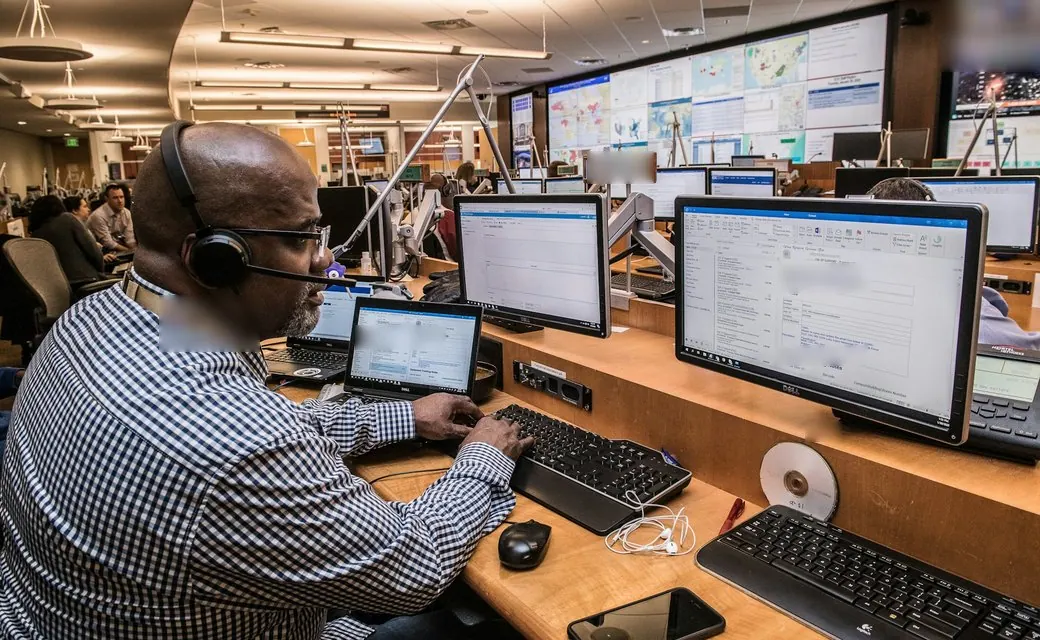
Probes on every layer report to one monitoring stack; an alert becomes a ticket, a fix, a release and an updated runbook — each step timed against the SLA.

Vital signs · a system in operationSLA · monthly report
Critical incident responseWithin 30 minutes, 24/7 optionexample
Mean time to restoreUnder 4 hours for P1example
Change failure rateUnder 15% of releases need a fixexample
DocumentationRunbook updated with every releaseexample
Care plan · what we take on
  • Maintenance & operations

    Monitoring, incident fixes, minor enhancements, security patches and releases under an agreed SLA.

  • Tech stack

    Languages, frameworks and clouds we work with — listed with how deeply we use them.

Stack
Jira Service ManagementGrafana · PrometheusSentryELK / OpenSearchPagerDuty / OpsgenieGitHub / GitLabITIL 4 practices
From handover to improvement
  1. 1Assess & transition

    Code, infrastructure and open issues reviewed.

  2. 2Stabilise

    Monitoring added, top recurring issues fixed.

  3. 3Run

    Incidents and requests handled to SLA.

  4. 4Improve

    Monthly review, backlog of fixes and upgrades.

Records you receive
  • Transition plan

    Knowledge transfer, shadowing and handover checklist.

  • SLA & escalation matrix

    Priority definitions, response and resolution times, contacts.

  • Runbook

    How to deploy, restart, restore and rotate secrets.

  • Monthly service report

    Incidents, changes, availability and improvement proposals.

CheckedHardware health in the monitoringLoggedEvery change in the monthly report
When you need it
  • The original developer has left and only one person understands the system.
  • Incidents are handled by whoever notices first, with no record.
  • You want one partner for operation in KO, VI, EN or JA.
ODC (GDC) · Working-hour overlap · engagement models

A dedicated team in Hanoi, on your working hours

From fixed-scope projects to your own dedicated team in Hanoi.

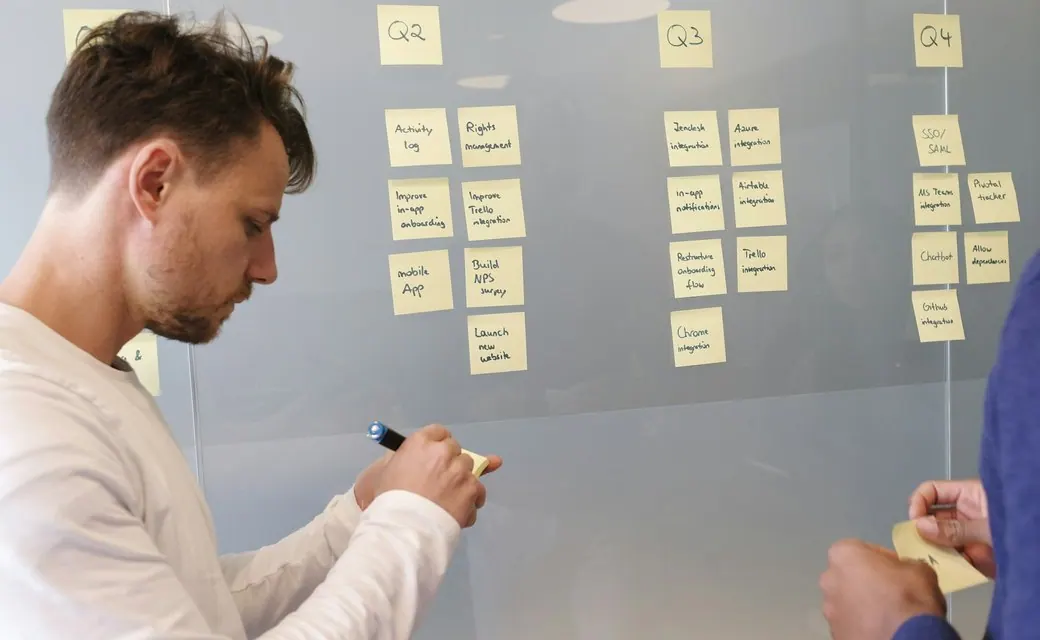
Any of the nine areas can be delivered as a fixed-scope project or by a dedicated team that works only for you, long term. A dedicated team keeps its knowledge of your system, works in your tools and rituals, and is led by bridge engineers who speak your language.

ODC
+2 hHanoi to Seoul · Tokyo: working hours overlap almost all day
Hanoi time
000306091215182124
Hanoi team · ICT (UTC+7)
Seoul · Tokyo (UTC+9)
almost the full day
Europe · CET (UTC+1)
your morning
US Central (UTC−6)
early-morning call

Business hours in standard time; overlap shown in blue (example).

Four ways to work with us
Project-based

Scope and price agreed up front; we deliver and hand over.

Dedicated team (ODC)

Our employees work as your exclusive team, long term.

Staff augmentation

Engineers join your existing team.

Korean-speaking dev team

An offshore team with bridge engineers who work in Korean.

Getting started
  1. 1Call

    Goals, scope, constraints.

  2. 2Proposal

    People, timeline, model.

  3. 3Kickoff

    Tools, access, rituals.

  4. 4Deliver

    Demo every sprint.

What the team keeps
  • Team charter

    Roles, working hours overlap, tools, rituals and escalation.

  • Onboarding checklist

    Access, environments, codebase walk-through, first tasks.

  • Sprint report

    Done, not done, risks, velocity — in your language.

  • Knowledge base

    Decisions, architecture notes and runbooks kept with the team.

Measured
  • Sprint goal met

    Tracked every sprint (example)

  • Working-hour overlap

    KR/JP: almost full day · EU: morning · US: early-morning call (example)

  • Team continuity

    Handover plan for every role change (example)

When you need it
  • You have a long product roadmap and want the same people on it.
  • Your in-house team in Seoul, Tokyo, Europe or the US needs more capacity.
  • You need a team that works in Korean or Japanese without a separate translator.
See the engagement models →
Quality practices

Practices you can check

Six practices, each with the evidence you will find in your repository or reports.

Code review

Every change reviewed by another engineer before it merges.

Evidence you can check

Merge requests with review history in your repository.

Continuous integration

Build, tests and static analysis run on every merge; a red build stops the line.

Evidence you can check

Pipeline history and test reports.

Testing in layers

Unit, integration and end-to-end tests; independent testing with QA Biz when required.

Evidence you can check

Test plan, coverage and defect reports.

Security by default

Dependency and secret scanning, OWASP checks, least-privilege access, data handled under VN, KR, JP, EU and US rules as agreed.

Evidence you can check

Scan reports and access reviews.

Documentation as a deliverable

Architecture notes, API specs, runbooks and release notes kept current with the code.

Evidence you can check

Docs in your repository or wiki, versioned.

Bilingual communication

Meetings, tickets and reports in Korean, Japanese, English or Vietnamese; bridge engineers keep terms consistent.

Evidence you can check

Glossary and sprint reports in your language.

FAQ

Before the first sprint

Fixed-price project or dedicated team — which fits us?

A fixed price fits a clear scope with a set end. A long roadmap that keeps changing fits a dedicated team (ODC). Many customers start with one project and continue with the same people as a team.

Can you take over a system another company built?

Yes. We first review the code, infrastructure and open issues, run a handover period with the current team, then take responsibility under an agreed SLA.

Who owns the code?

Ownership is set in the contract. On projects the code usually goes into your repository while we build, so you hold it from the first sprint.

Which languages does the team work in?

Korean, English and Vietnamese — and Japanese for Japanese customers. Bridge engineers keep requirements and terms the same across languages.

How do we see progress?

A demo and a written report every two-week sprint, plus access to the backlog and the repository at any time.

Can our data stay on our own servers?

Yes. Systems and AI models can run on your servers or in the cloud region you choose; where data sits and how long it is kept is agreed per project.

How does testing work with QA Biz?

Developers write and run automated tests in every build. When you need independent verification, QA Biz tests separately and reports to you directly.

Where do AI training data come from?

From your own data, refined and labeled by the AI Data Biz team under the personal-data rules agreed for the project.

How much do your working hours overlap with ours?

The Hanoi team works on UTC+7: almost the full day overlaps with Seoul and Tokyo, the morning with Central Europe, and an early-morning call fits US Central time.

Our AI PoC worked but never reached production. Can you help?

Yes. After a measured PoC we connect the model to real systems, run an independent evaluation and operate it with drift monitoring and scheduled retraining. As a proposal, an AI readiness check takes about two weeks and a PoC on your data four to six weeks.

Tell us what you
need built.

A specialist replies within one business day — in English, Vietnamese, Japanese or Korean.

Book a consultationContact us
↑Back to top
