What the sitealready tells us.
Figures from public reports and makers’ material.
estimated 2025 market for AI inspection in Vietnam, growing about 26% a year
MarketsandMarkets estimateworkplace accidents a year in Vietnam, as cited from Ministry of Labour data
Industry article citing MOLISA (VN)of heating before visible smoke — the window thermal cameras watch
Thermal makers’ early fire detection guidescameras most sites already have are where IQ Guardian starts — checked in the survey
INFINIQ · site surveySources are listed under each figure.
One family, four jobs.
Inspection, access, safety and heat — each one sees different things, sits in a different place and feeds different work. Open a panel for what it sees, where it goes and what it connects to.
Every part on the line inspected — defects sorted by type, with an image each.
- Scratches
- Dents
- Missing parts
- Misalignment
- Installed at
- Inspection points on production lines
- Connects to
- AI Ontology for causes · NFFICE for corrective action
Faces at the gate become entries — and attendance in NFFICE HR.
- Employees
- Subcontractors
- Visitors
- Unknown faces
- Installed at
- Gates, turnstiles, doors
- Connects to
- NFFICE HR attendance · Groupware approvals
Existing CCTV watches for missing PPE, intrusion, falls and unsafe behavior.
- PPE
- Restricted areas
- Falls
- Crowding
- Installed at
- Sites, yards, warehouses, plant floors
- Connects to
- NFFICE action reports · AI Ontology patterns
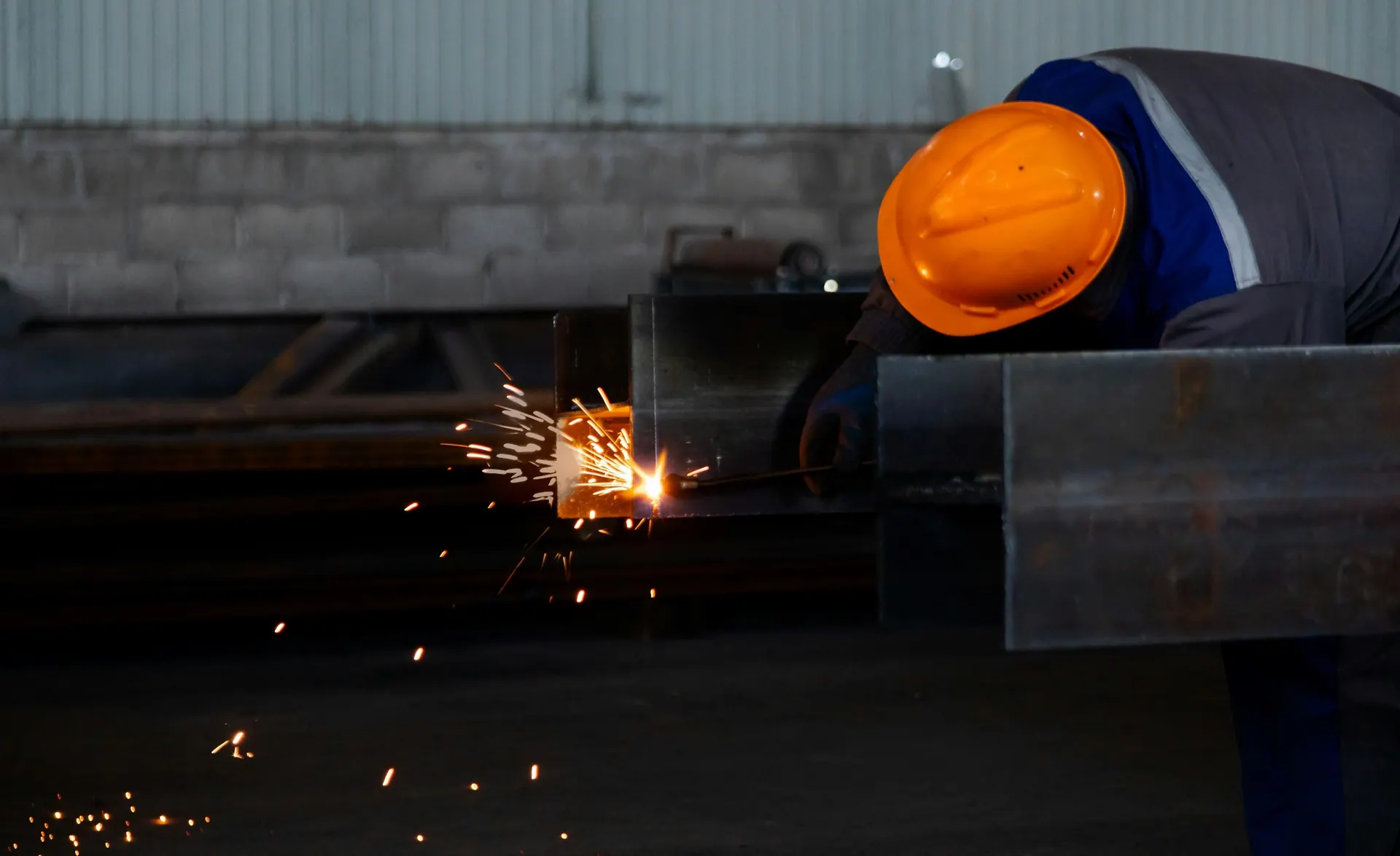
Thermal cameras catch overheating panels and motors before there is smoke.
- Panels
- Motors
- Storage
- Welding areas
- Installed at
- Electrical rooms, lines, warehouses, welding areas
- Connects to
- NFFICE work orders · AI Ontology equipment history
Where each oneworks.
Gate, sewing line, scaffold and electrical room — four cameras, one control screen. Each event lands in the log with its time, rule and action.
From what the camera seesto what the company does.
One real event — Panel E-3 heating up — followed through the five steps every solution shares.
Line camera, face terminal, existing CCTV or thermal.
Recognition runs on site; video can stay on your network.
A record with time, place, snapshot and rule.
Attendance, approvals, work orders and action reports.
Links events to machines, shifts, lots and people.
Start fromyour industry.
Rotating crews, PPE and heat on job sites.
Every part inspected, machines watched for heat.
Forklift lanes, storage heat and who is in.
Visitors by face, restricted rooms watched.
Questions we hear often
Can we start with the cameras we have?
IQ Guardian usually can; QC Automation, IQ Face and IQ Fire need their own camera or terminal where it matters. Models, light and network are checked in the site survey.
Does video leave our site?
It does not have to: recognition can run on site and only events are sent. Storage and masking are agreed in the security review.
Can we start with one and add the rest?
Yes. All four share the same alerts, NFFICE connection and control screen, so adding one means cameras and rules, not a new system.
Which of the four should we start with?
Start where the loss is easiest to see: defects reaching customers point to QC Automation, buddy punching and overtime disputes to IQ Face, missing PPE and unsafe zones to IQ Guardian, hot panels and storage to IQ Fire. The site survey ranks them for your site.
What happens in the site survey?
We walk the gates, lines, yards and electrical rooms with your team and check camera models, light, network and power at each point. You get a list of points, the equipment each one needs and a pilot plan.
Do we need NFFICE or AI Ontology to use them?
No. Each product works on its own and can send events to Excel or to your systems by API. NFFICE turns events into attendance, approvals and work orders, and AI Ontology links them to machines, shifts and lots when you also want the cause.
What if the internet connection drops?
Recognition runs on site, on the edge server or the terminal, so it keeps working. Events are held locally and sent when the link is back; how long each device can hold them depends on the model.
Which privacy laws apply to cameras and faces?
In Vietnam, the Personal Data Protection Law 91/2025/QH15 (VN), in force since 1 January 2026, with Decree 356/2025/ND-CP (VN); it took over from Decree 13/2023/ND-CP (VN), and face data counts as sensitive. Group companies abroad also look at PIPA (KR), APPI (JP), GDPR (EU) and US state laws such as BIPA (US). IQ Guardian watches PPE and behaviour rather than identity, while IQ Face needs a notice and recorded consent.
How do we know it works on our site?
Each product is measured on your site in the pilot: QC Automation against your limit samples, IQ Face at your gates with helmets and masks, IQ Guardian per camera by day and night, IQ Fire against a baseline under normal load. Rules go live only after you have seen the results.
How long does a first rollout take?
Usually four to ten weeks for a first site, depending on the product and the number of points — for example, about eight weeks for one QC inspection point. The schedule is fixed after the survey.