Five things that make it safe
Pick a feature to jump to it.
Same question, answers by permission.
What you are allowed to see decides what the AI answers. Permissions come from the systems you already run, are checked on every object and property, and sensitive values are masked rather than guessed around.
Roles, teams and entities are read from NFFICE, ERP and your directory, so nobody maintains a second permission list.
Access is checked per object and per property — a team lead sees the team’s overtime, not the salaries behind it.
Personal data such as phone numbers, ID numbers and faces is masked in answers unless the role may see it.
When part of an answer is withheld, the AI says so and who can grant access — it never fills the gap with a guess.
Every answer, with where it came from.
Each answer lists the systems, documents and records it used, marks which parts come from rules and which from AI, and opens the original in one click — so people check before they act.
The systems, tables, documents and events behind the answer are listed with their time stamps.
One click opens the record, or the exact place in the scanned document where a value was read.
Values computed by rules are marked differently from text written by the AI, so people know what to double-check.
If the data to support an answer is missing, the AI says it does not know instead of inventing one.
Who asked, saw and ran what.
Questions, viewed data, drafted actions and approvals are logged with the person, the time and the model version, stored so they cannot be edited, and exported for internal audit or regulators.
Each question, answer, viewed record, agent draft and approval becomes a log entry.
Entries are append-only and chained, so a changed or deleted entry is detectable.
Auditors filter by person, data, action or time and see the whole chain from question to approval.
Retention follows your policy per entity; logs export to CSV or to your SIEM.
Where your data lives is your choice.
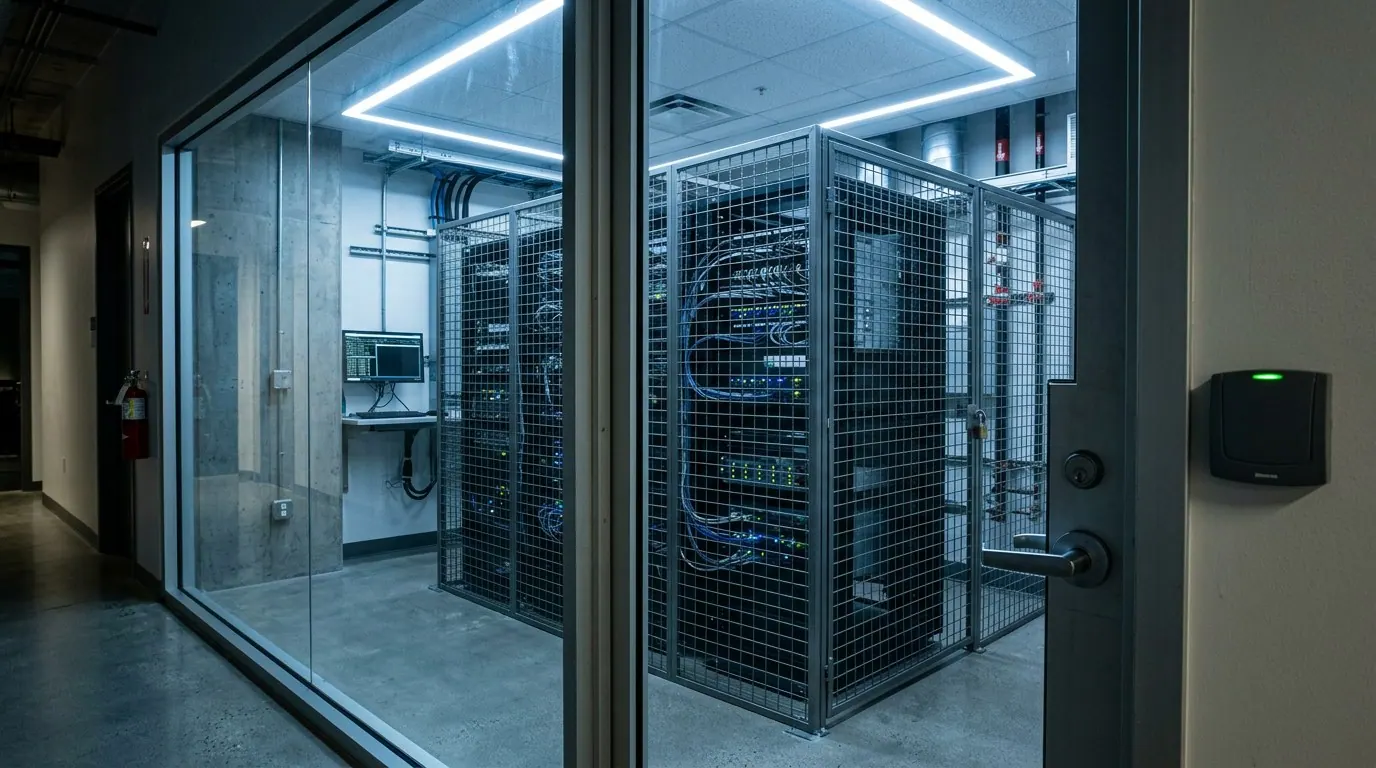
Run it as a managed cloud service, or on your own servers if your data cannot leave. The same features run in both, and the AI models it uses are chosen to match your data policy.
A fast start: INFINIQ runs updates, monitoring and backups, and data is stored in the region you choose.
Installed in your data centre or private cloud; data and logs never leave your network.
Answers can use hosted models or models running inside your environment, depending on what your policy allows.
Data is encrypted in transit and at rest; on-premise customers can hold their own keys.
Built for each country’s data rules.
Storage location, retention and cross-border transfer are set per entity to meet each country’s personal-data and data-storage rules — Vietnam, Korea, Japan and more — with the details confirmed with your legal team.
Each entity’s data is stored in the country or region its rules require; HQ sees reports, not raw personal data.
Retention is set per data type — attendance, payroll, camera events — and expired data is deleted on schedule.
Consent records are kept with the data, and requests to see or delete personal data are handled and logged.
Settings start from a template per country and are reviewed with your legal team before go-live.